Southern Africa Reaffirms Commitment to Protect Every Child against Vaccine Preventable Diseases during the 25th ICCC Meeting in Botswana
Jwaneng, Botswana | 9–11 December 2025
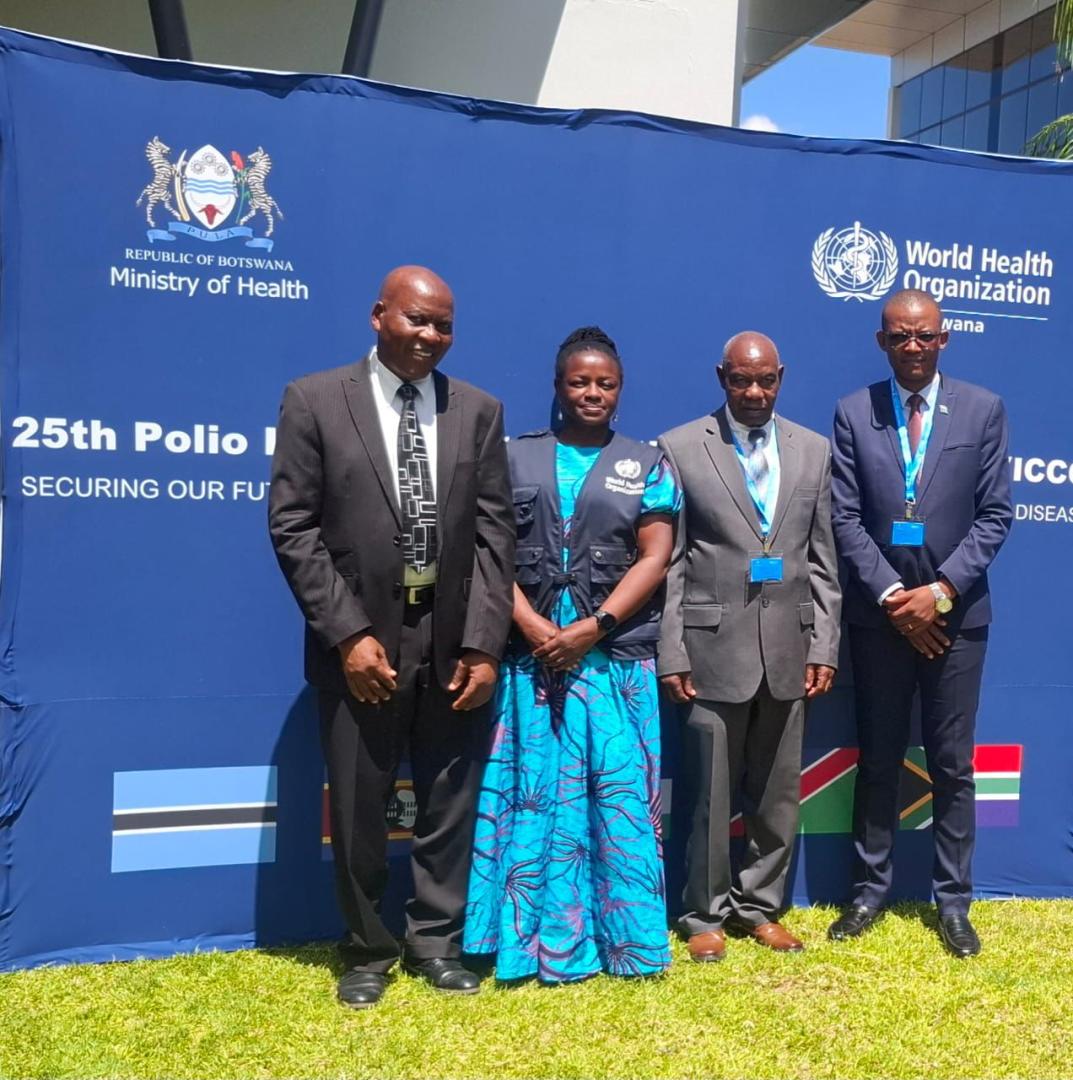
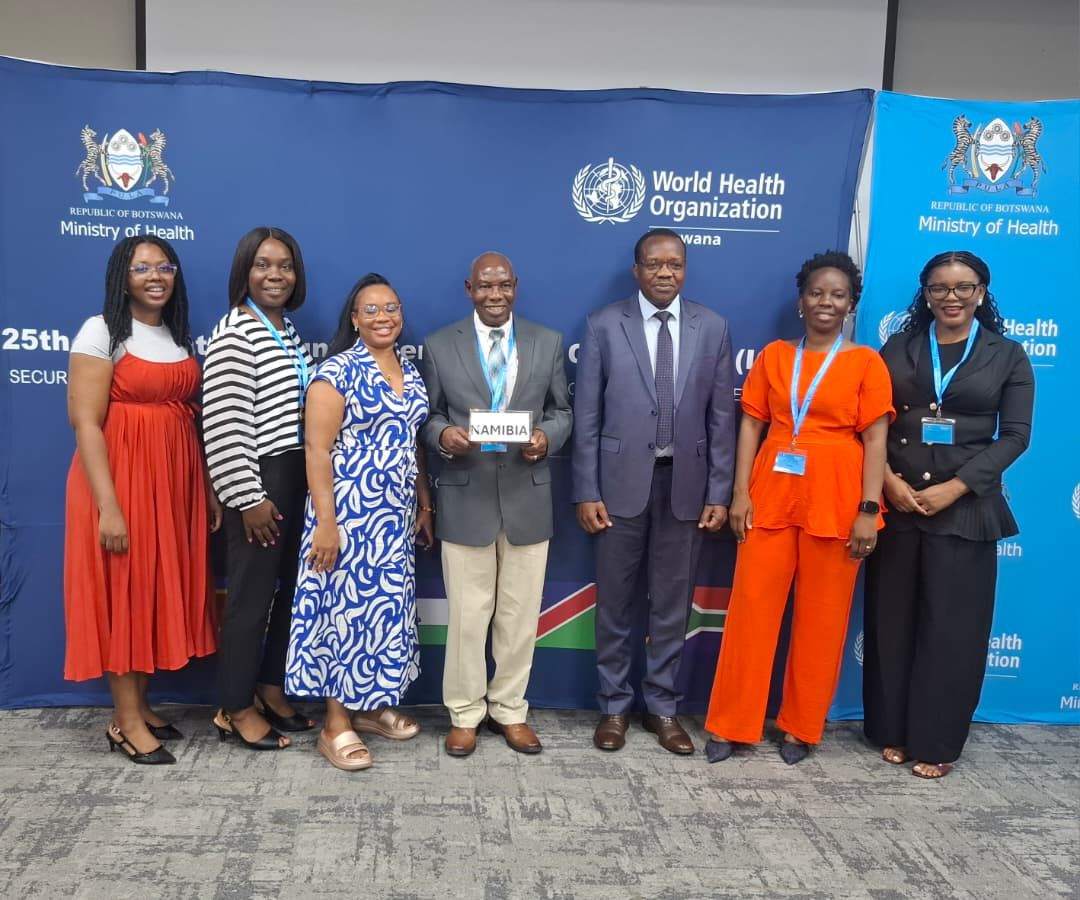
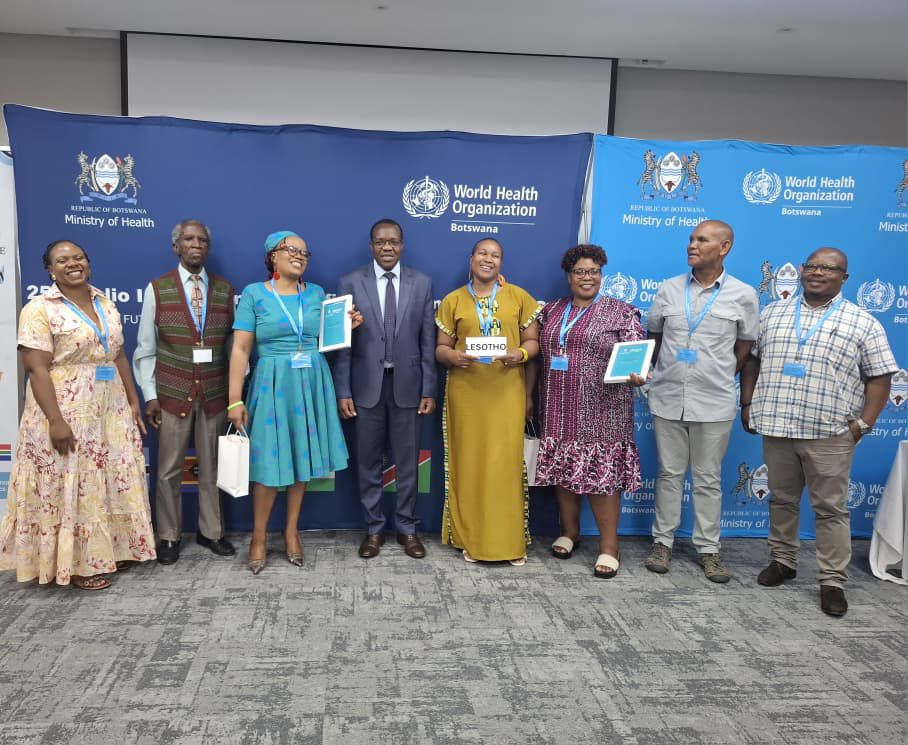
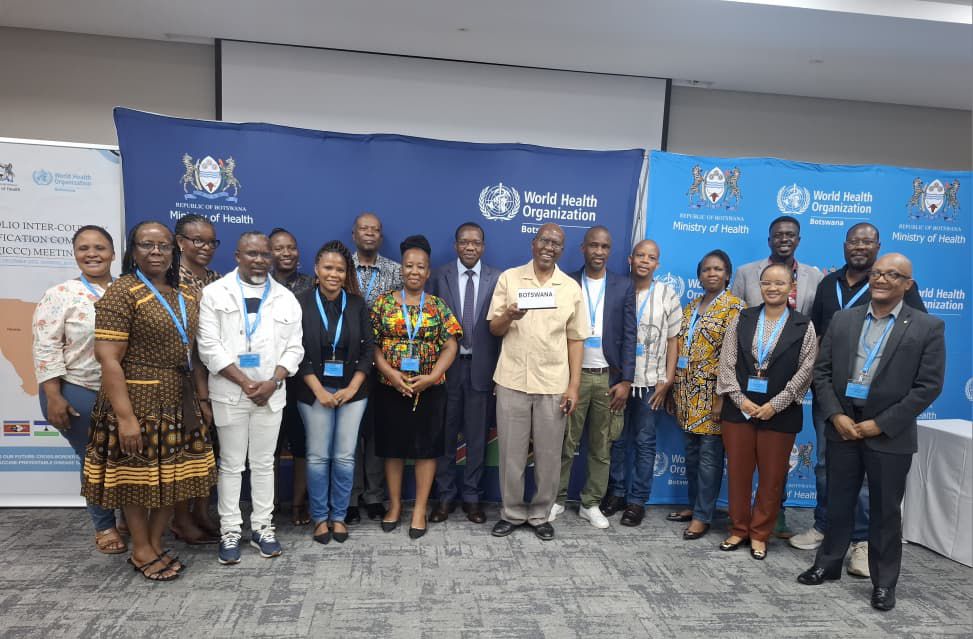
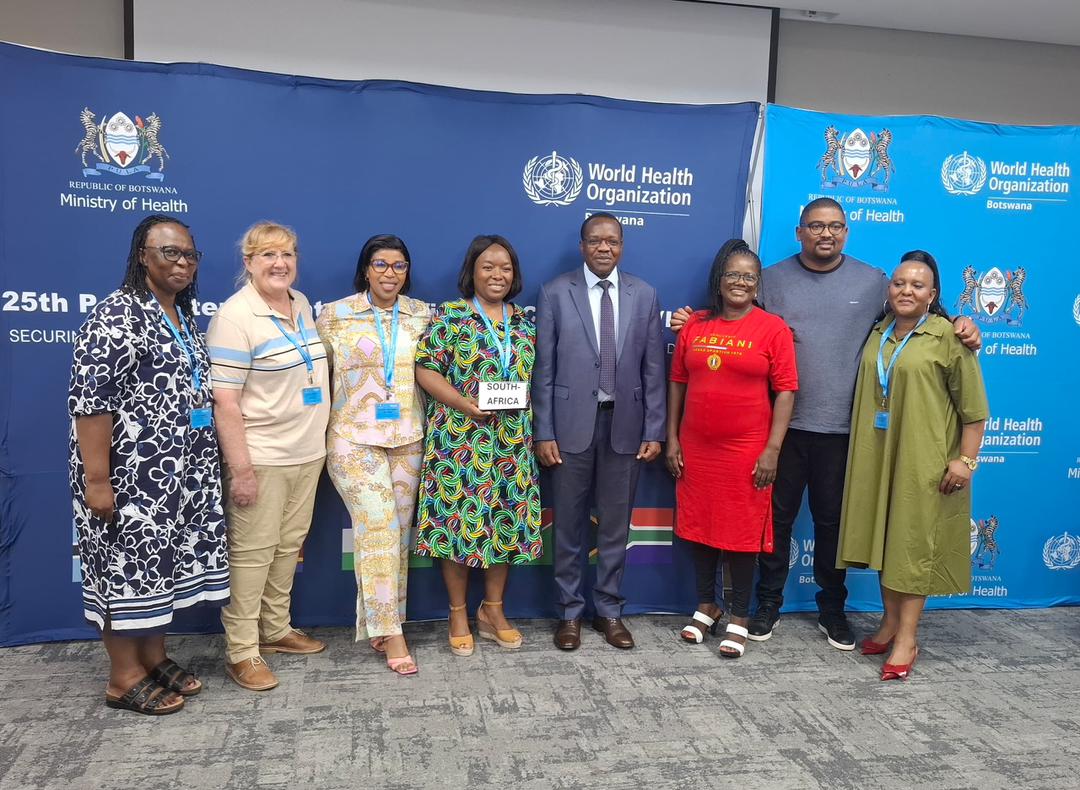
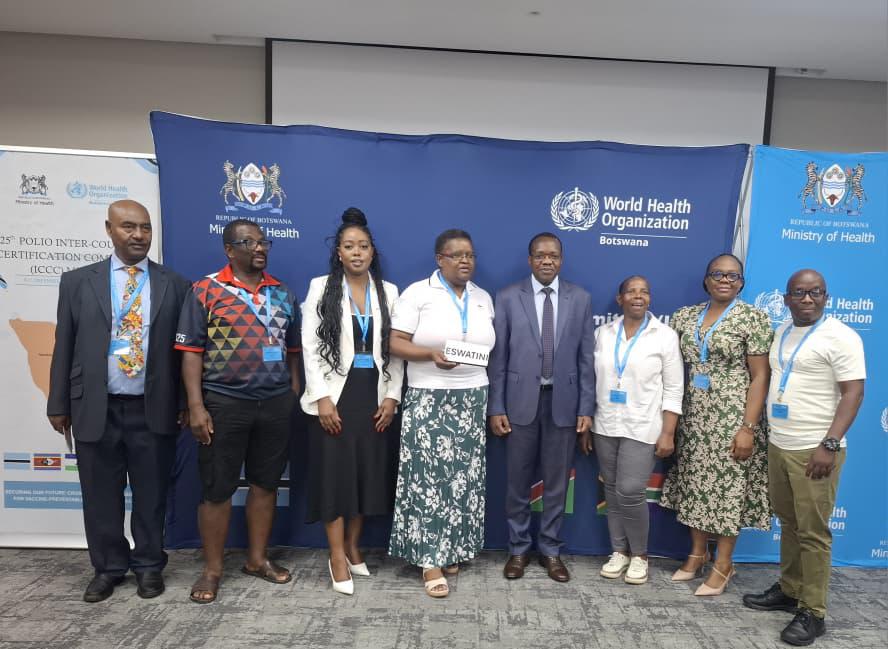
Health leaders and polio experts from Botswana, Eswatini, Lesotho, Namibia, and South Africa convened in Jwaneng for the 25th Inter‑Country Certification Committee (ICCC) meeting, reinforcing regional solidarity and shared responsibility to sustain a polio‑free Africa.
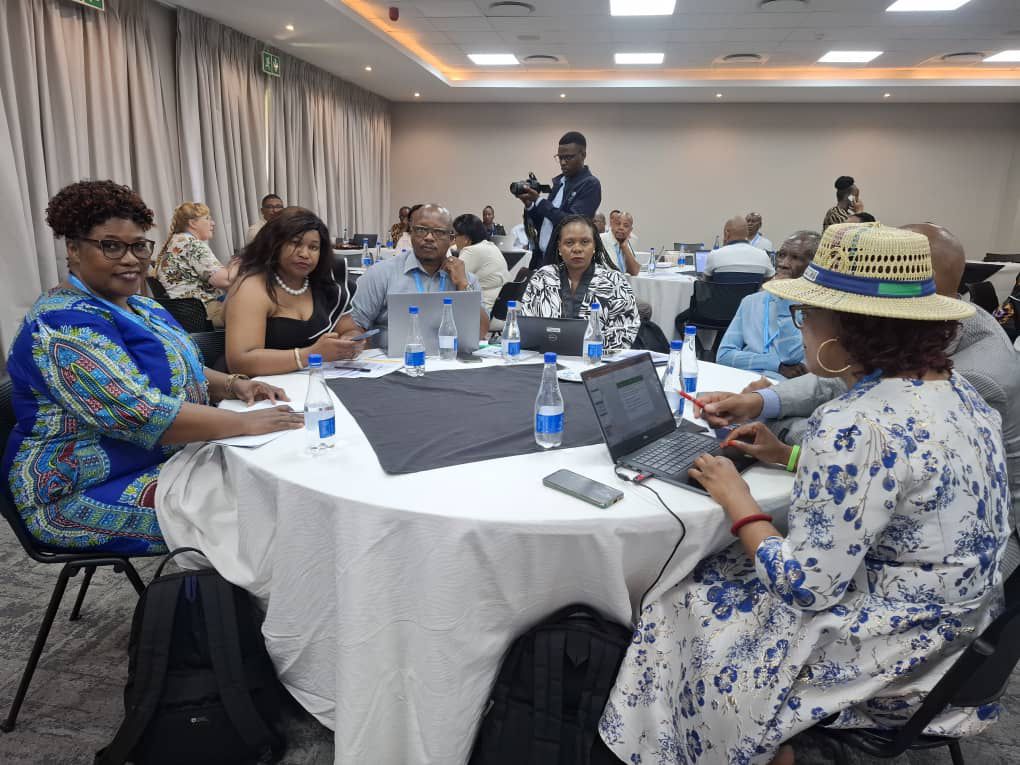
Over the course of three days, participants reviewed progress, assessed remaining risks and agreed on priority actions to strengthen cross‑border collaboration, routine immunization and disease surveillance, against the backdrop of a shifting global polio landscape.
Sustaining Progress While Remaining Vigilant
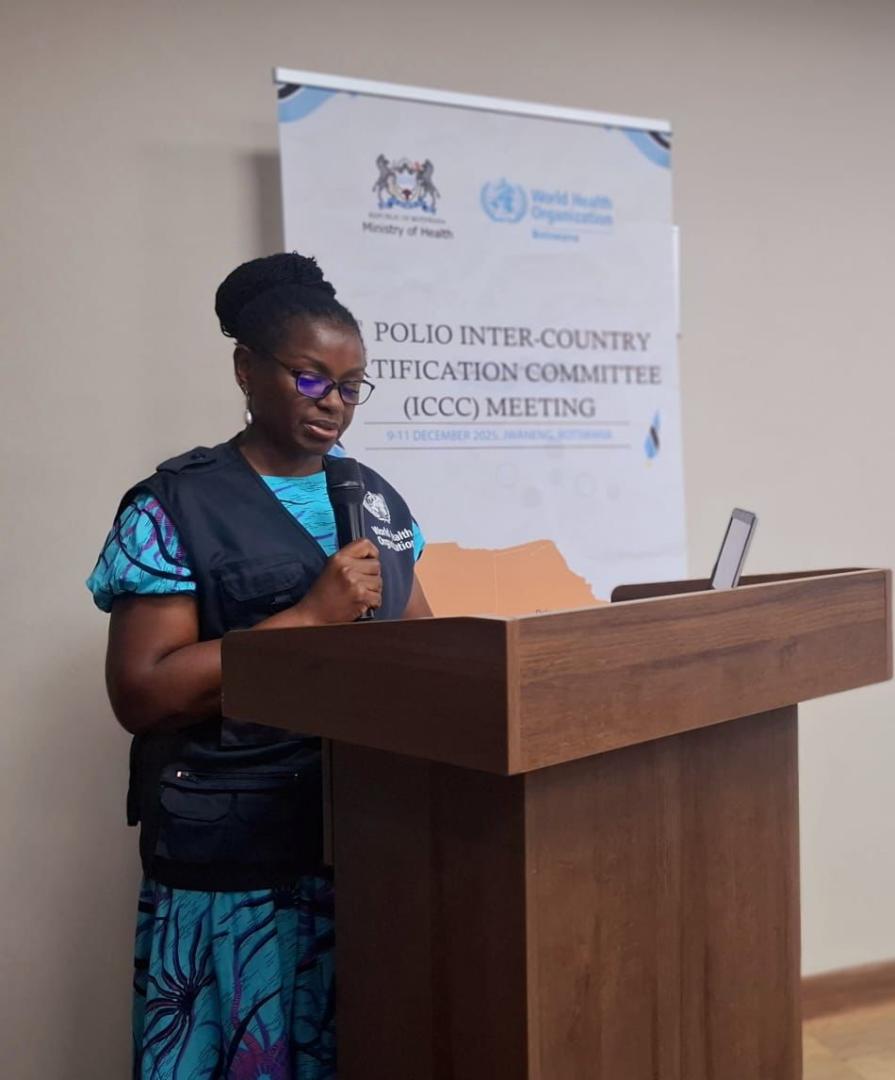
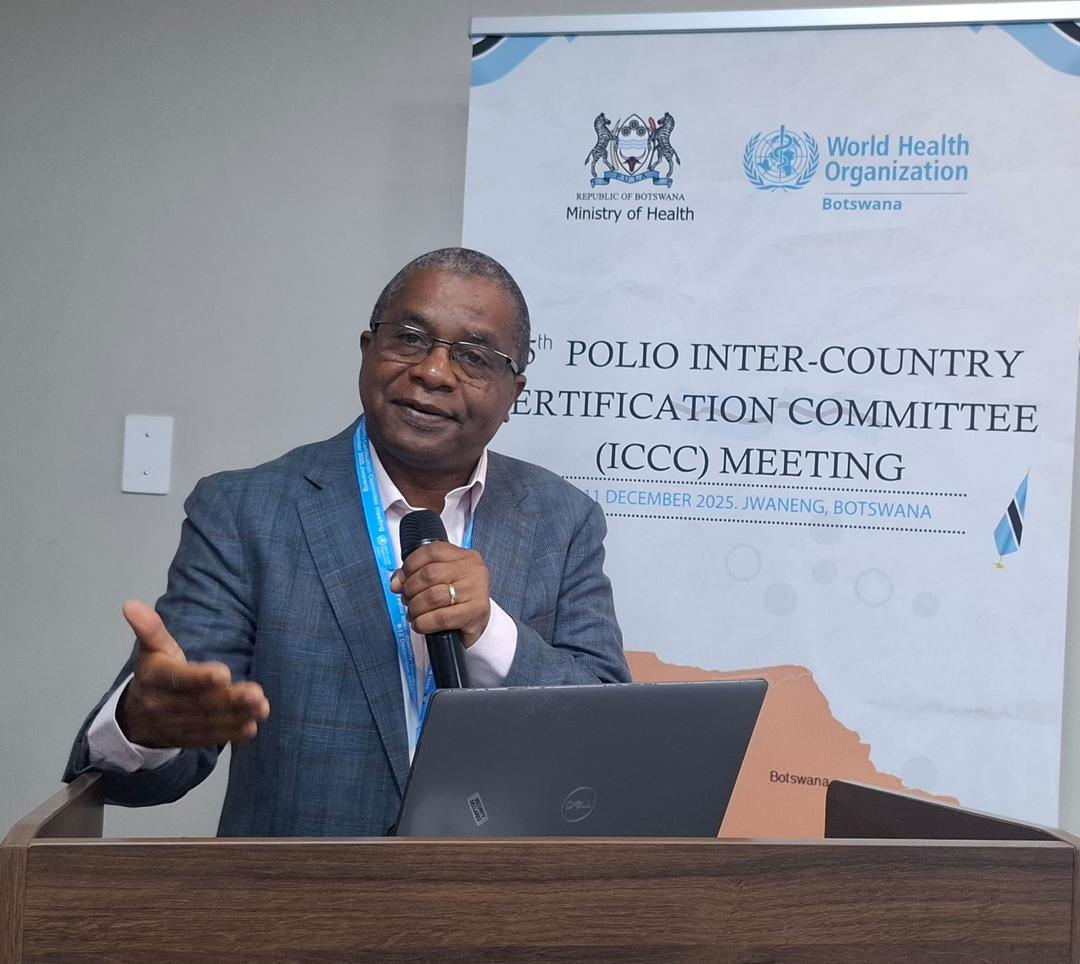
Opening the meeting on 9 December, WHO Botswana Health Policy Advisor Dr Juliet Bataringaya delivered remarks on behalf of the WHO Country Representative, highlighting the region’s steady advances in the fight against polio. She acknowledged the strong leadership and technical capacity underpinning these gains, while cautioning that recent circulating vaccine‑derived poliovirus outbreaks globally demonstrate that the threat of polio persists until eradication is achieved globally.
Dr Bataringaya commended the commitment of National Polio Eradication Committees, surveillance teams and Ministries of Health across the five countries, noting that their sustained efforts continue to protect millions of children from vaccine‑preventable diseases. She emphasized that high levels of population mobility across Southern Africa demand stronger cross‑border coordination, underpinned by joint surveillance, harmonized outbreak response and synchronized immunization activities. Reaffirming WHO’s support, she underscored the organization’s commitment to helping countries close immunity gaps, strengthen disease detection and ensure that no child is left behind.
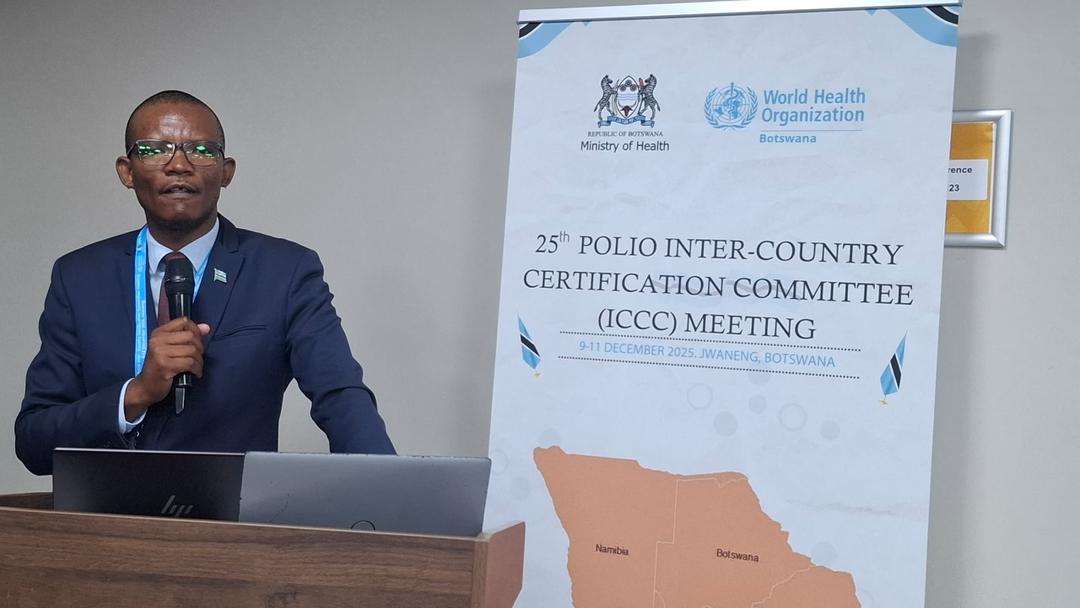
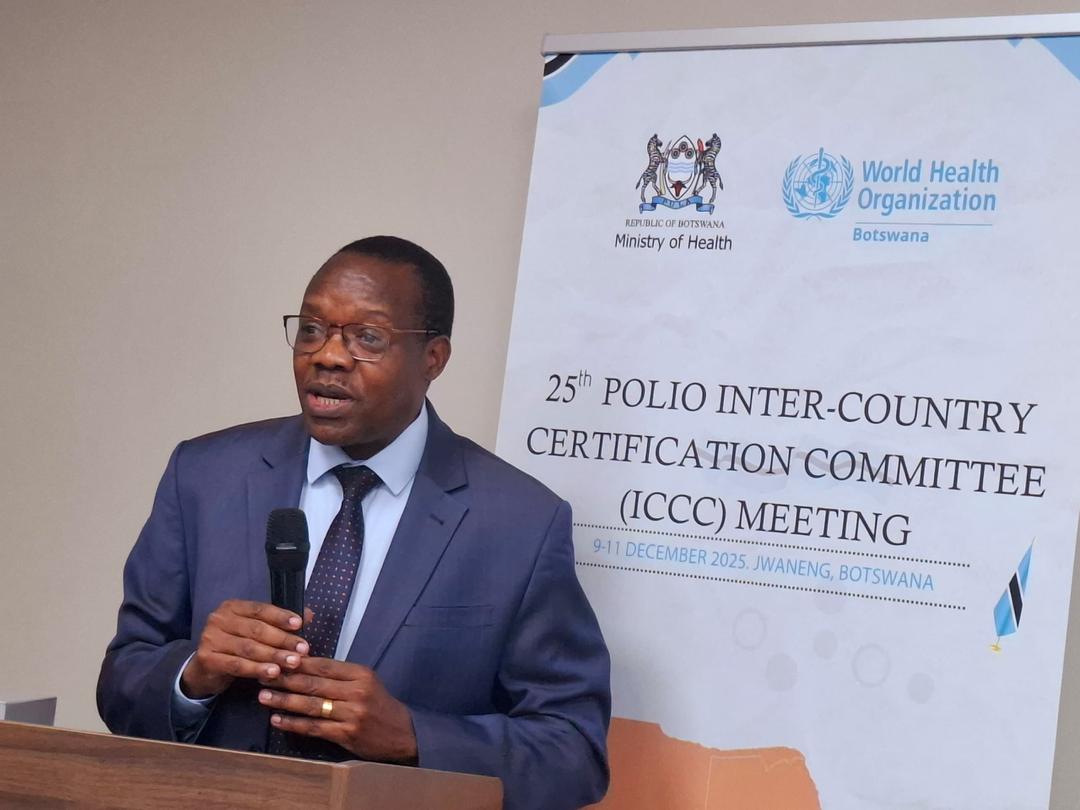
On behalf of the host country, Dr Mareko Ramotsababa, Acting Permanent Secretary of the Ministry of Health, welcomed the participants and reaffirmed Botswana’s commitment to polio eradication and strengthening immunization systems. He noted that the meeting took place at a pivotal moment, as the region works to consolidate gains following Africa’s certification as free of wild poliovirus in 2020, while continuing to address ongoing threats such as circulating vaccine‑derived poliovirus type 2 (cVDPV2).
Dr Ramotsababa highlighted Botswana’s experience with a cVDPV2 detection in 2022 and the country’s successful response through two rounds of nOPV2 supplementary immunization activities, each achieving 81% coverage, underscoring the importance of strong surveillance and rapid response.
He further acknowledged persistent challenges, including resource constraints, competing public health priorities, surveillance gaps at subnational level, and difficulties in reaching hard‑to‑reach populations, all of which continue to place the region at risk of polio importation. He emphasized the critical role of the national and international certification committees in providing independent oversight and technical guidance, and outlined key priorities such as strengthening routine immunization, enhancing outbreak preparedness and response, integrating vaccination with other health services, intensifying cross‑border coordination, and reinforcing surveillance systems.
Focusing on Zero‑Dose Children and Equity
Throughout the meeting, discussions focused on addressing remaining inequities in immunization coverage, particularly among zero‑dose children who have not received any vaccines. Participants reviewed regional strategies for identifying and reaching underserved communities, including plans for a joint zero‑dose mapping exercise to better understand who and where these children are.
Delegates shared experiences in delivering zero‑dose interventions, strengthening routine immunization and improving surveillance of vaccine‑preventable diseases. Evaluations of immunization performance across Botswana, Eswatini, Lesotho, Namibia and South Africa highlighted areas of progress as well as persistent gaps, reinforcing the need for targeted, data‑driven action and sustained political commitment at both national and regional levels.
Strengthening Containment and Surveillance Systems
The second day of the meeting turned the attention to poliovirus containment and laboratory safety, with Dr Charles Byabamazima, WHO African Region Laboratory Coordinator, presenting an update on global and regional progress. He highlighted efforts to strengthen laboratory biosafety and ensure that all facilities storing or handling poliovirus meet revised international containment standards.
Dr Byabamazima noted that the African Region has transitioned to a more robust laboratory certification system, aligned with global requirements and designed to reduce the risk of accidental poliovirus release. Country presentations from National Polio Expert Committee chairpersons echoed the need to strengthen routine immunization, close zero‑dose gaps and enhance rapid response capacities as poliovirus detections continue in parts of the region.
As host of this year’s ICCC meeting, Botswana reaffirmed its commitment to eliminating vaccine‑preventable diseases, outlining ongoing health system reforms and renewed focus on community health workers as a cornerstone for improving outreach, surveillance and service delivery.
Across the discussions, the importance of cross‑border collaboration, quality data and sustained financing consistently emerged as central to strengthening surveillance systems, reducing immunity gaps and improving immunization coverage.
Charting the Way Forward
The meeting concluded on 11 December with closing remarks from WHO Botswana Country Representative Dr Fabian Ndenzako, who commended the five participating countries for their unwavering dedication to protecting every child from vaccine‑preventable diseases.
Dr Ndenzako praised the strong partnerships and active engagement demonstrated throughout the three‑day meeting, noting that while the region continues to make meaningful gains in immunization, coverage levels have yet to fully rebound to pre‑pandemic levels. He highlighted encouraging progress in measles and human papillomavirus (HPV) vaccination, alongside persistent challenges including outbreaks of measles, rubella and diphtheria; declining surveillance sensitivity; data quality gaps; limited funding; human resource shortages; and barriers to access in vulnerable communities.
Looking ahead, Dr Ndenzako urged countries to intensify equity‑focused approaches to reach zero‑dose and under‑immunized children, strengthen AFP and environmental surveillance, and ensure timely case detection and reporting. He stressed the importance of integrating polio assets into routine immunization and primary health care, enhancing community engagement to counter misinformation, and expanding domestic and alternative funding sources as donor support declines. Strengthened laboratory networks, improved containment procedures and greater use of digital innovations were also highlighted as key to sustaining core surveillance functions.
Reaffirming WHO’s commitment to the region, Dr Ndenzako emphasized the organization’s continued support through technical guidance, advocacy and resource mobilization, urging delegates to translate the meeting’s recommendations into concrete, sustained action.
Local Leadership and Regional Solidarity
Representing the host community, the Acting Deputy Town Clerk – Primary Health Care for Jwaneng Town Council, Dr Tankiso Thibelang, thanked participants for their contributions and highlighted the strong spirit of collaboration throughout the meeting. She acknowledged progress in surveillance and environmental sampling, while noting ongoing challenges related to vaccine hesitancy, hard‑to‑reach populations, cold chain constraints and immunity gaps among mobile communities.
Dr Thibelang emphasized that continued inter‑country coordination, timely information‑sharing and high‑quality data remain critical for evidence‑based decision‑making and sustained protection against polio and other vaccine‑preventable diseases.
External Relations and Partnerships Officer
email: birsanc [at] who.int (birsanc[at]who[dot]int)
Tel: +26774620807