Blantyre—Malawi experiences seasonal outbreaks of cholera associated with the rainy season between November and May every year. Most people in Malawi remember the 2022‒2023 outbreak as one of the most severe in the country’s history, with almost 60 000 cases and over 1770 deaths reported.
The 2025‒2026 outbreak has been mild in comparison to the previous outbreak. As of 9 March 2026, 174 cases (111 local and 63 cross-border) from 14 districts had been confirmed. There have been four deaths so far.
To address ongoing reporting of cases, the Ministry of Health, with technical and operational support from World Health Organization (WHO), financing from Gavi, the Vaccine Alliance, and in coordination with other partners in Malawi, rapidly planned and implemented a mobile outreach oral cholera vaccination campaign in four priority districts.
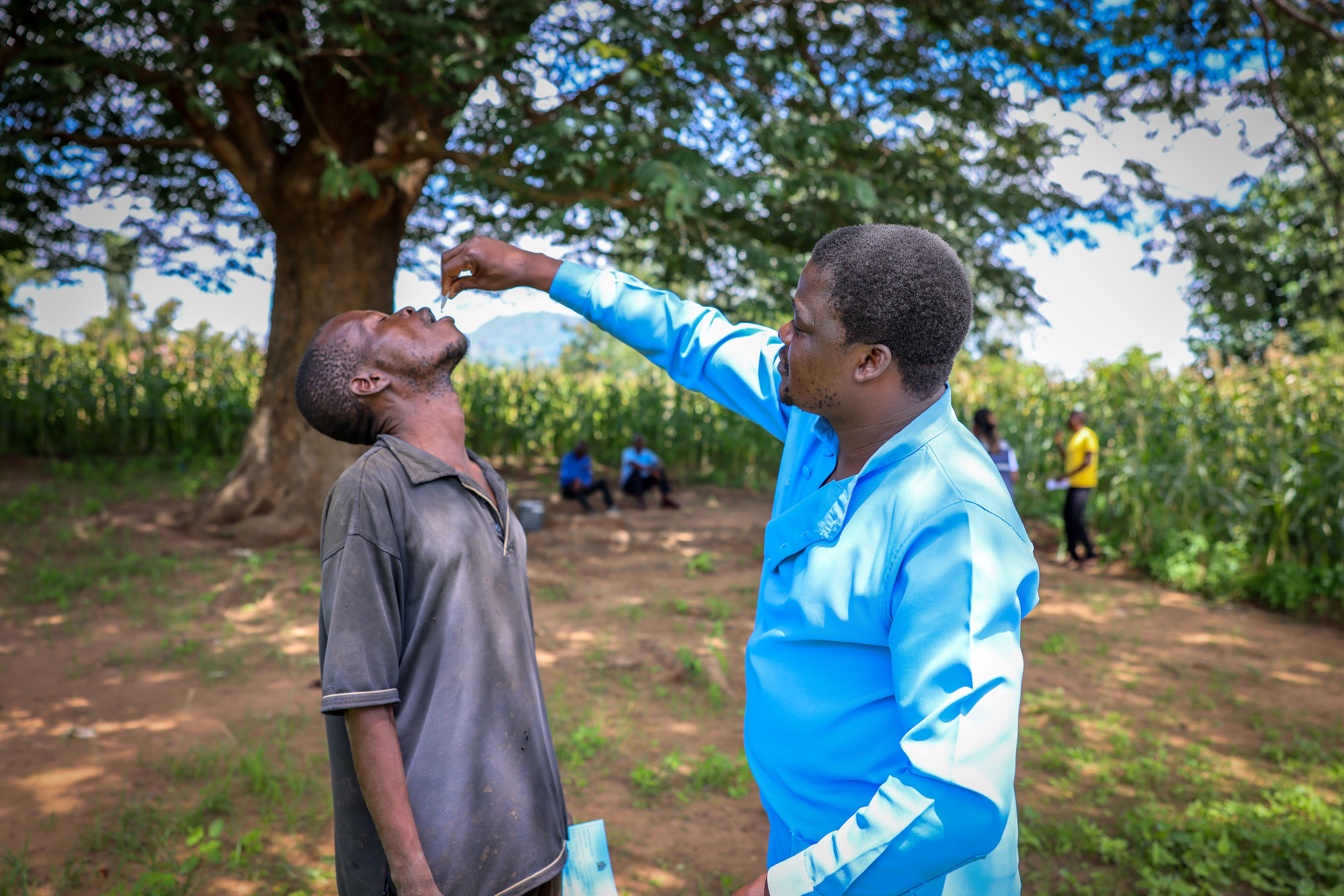
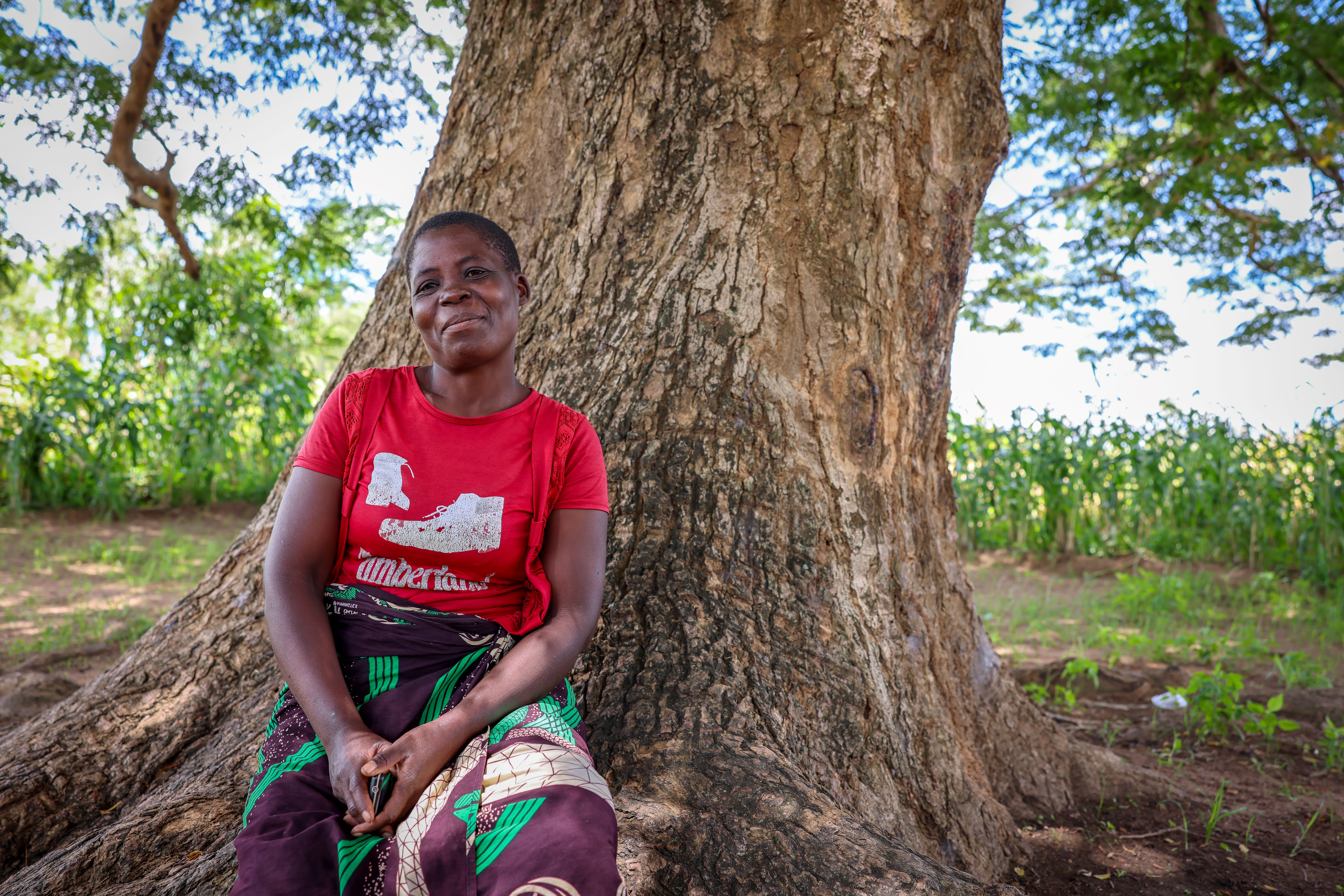
Regina Kika, Nambazo’s village chief, was briefed ahead of time by her Traditional Authority and in turn informed the 100 or so households in her village, encouraging them to make use of these services to protect themselves against cholera. “It is important to be protected against cholera which has been a problem in my community,” she says.
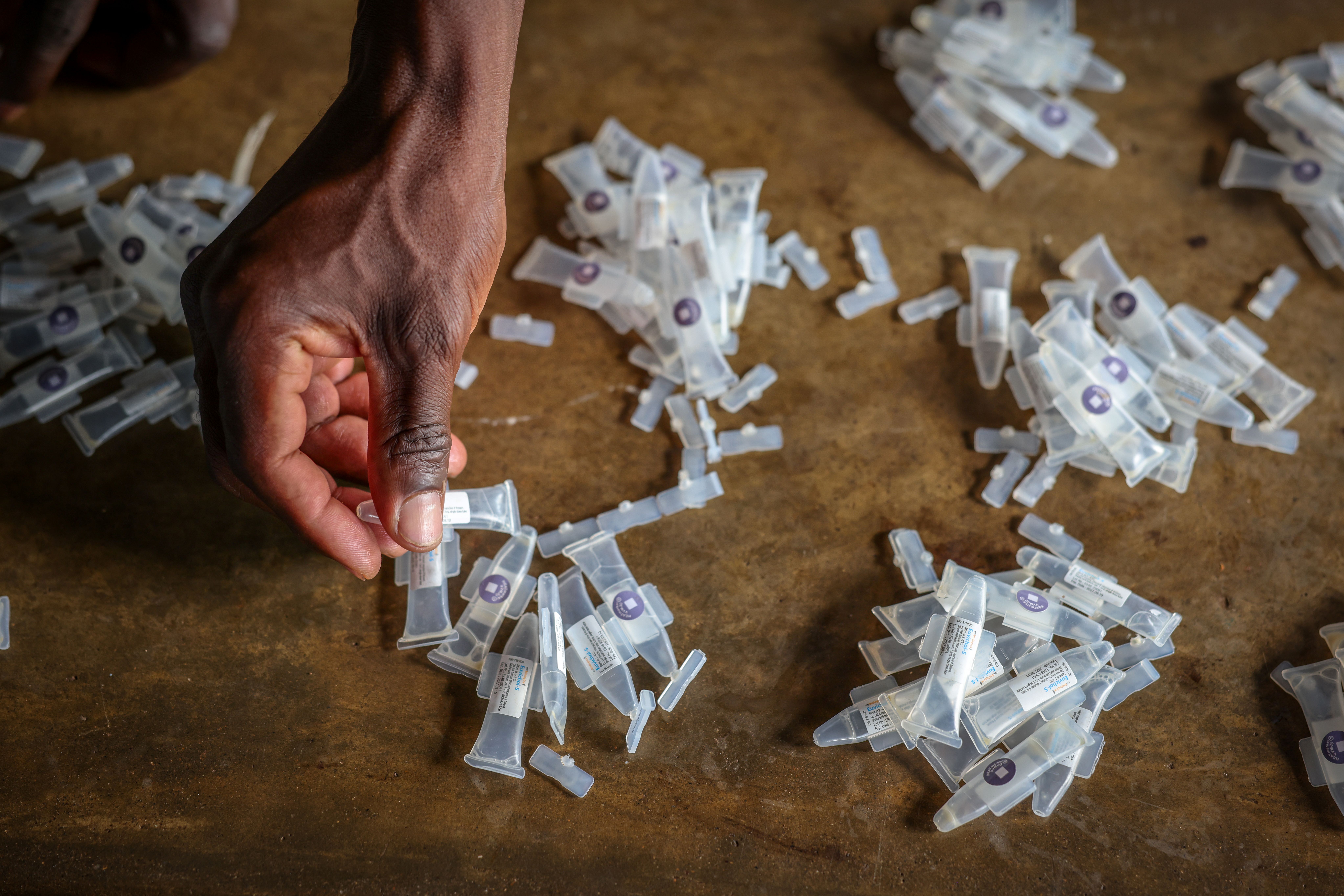
The campaign ran for five days from 2 to 6 March 2026 and the 95% coverage target was surpassed.
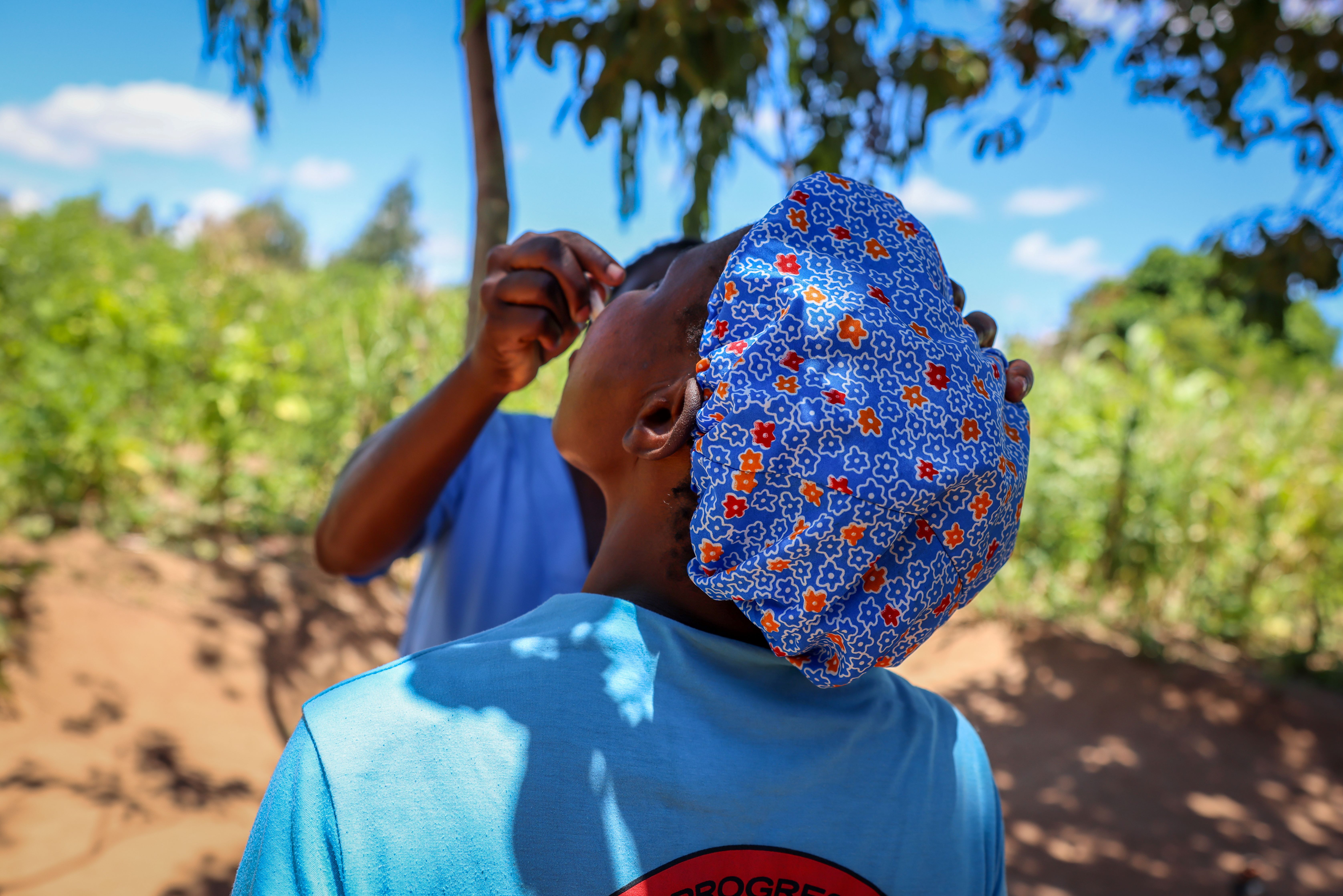
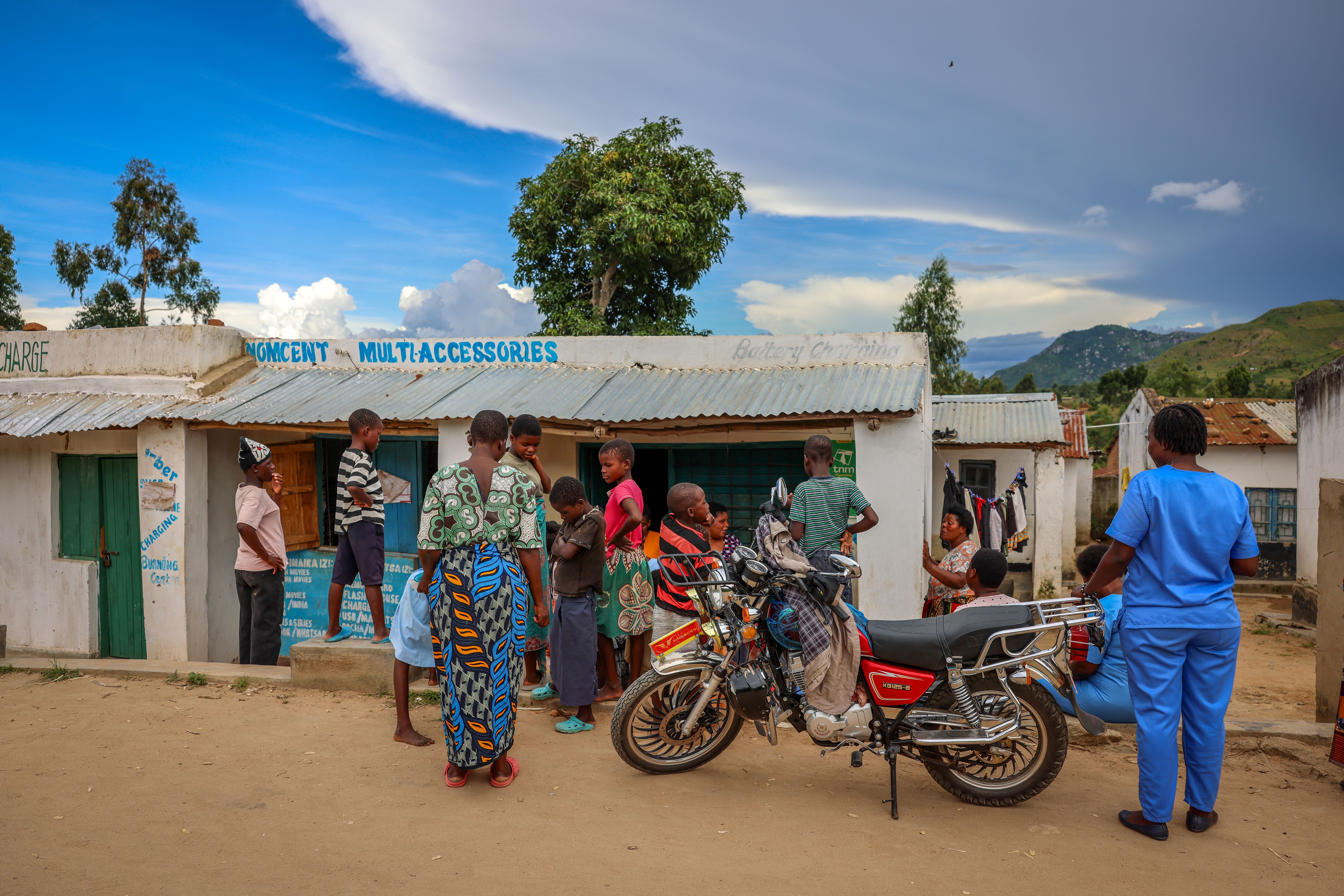
“I encourage people to practice hygiene and to clean their toilets,” confirms Kika. “Also, our communal borehole has a bucket of chlorine for people to sterilize their household water.”
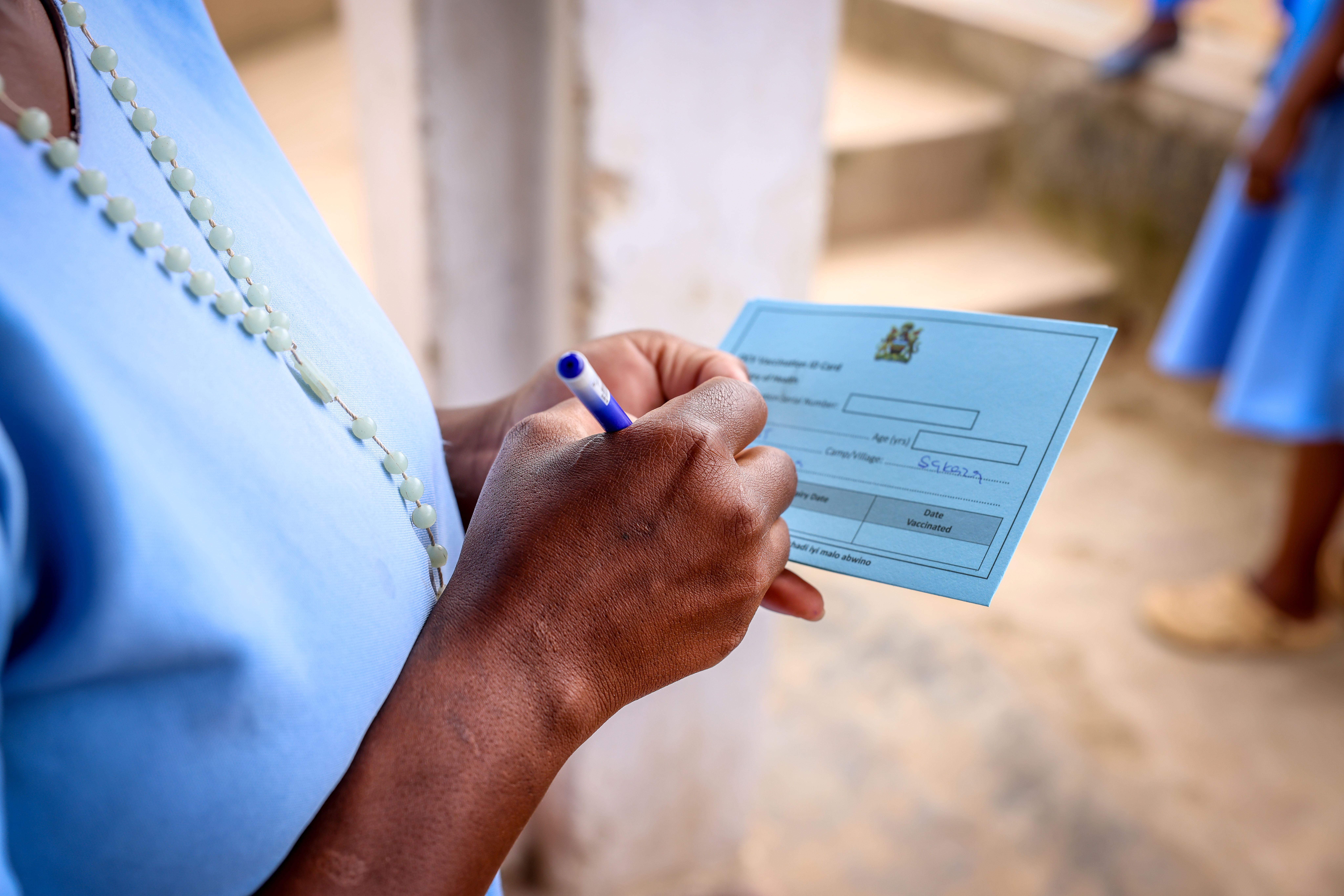
“I feel sad when people refuse to take the vaccine and adhere to advice we give them,” says Madalo Mbebuwa, a senior health surveillance assistant from Bangwe in Blantyre District. “We try as much as possible to talk with them little by little as behaviour change doesn’t happen in a day. It is a process.”
However, according to Mbebuwa, refusals were rare and most people accepted the vaccine.
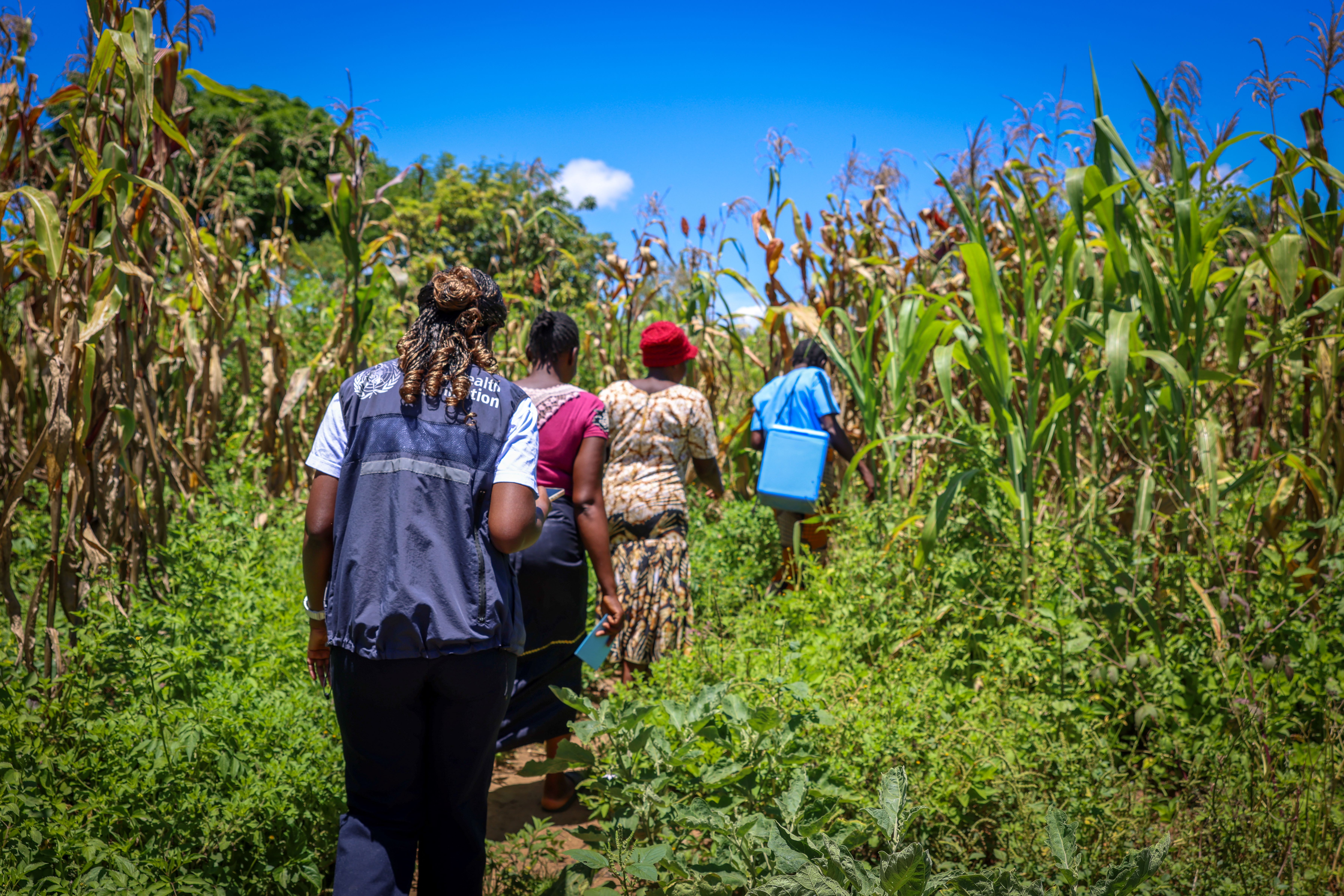
“I congratulate the Government of Malawi on a rapid and effective oral cholera vaccination campaign,” says Dr Charles Njuguna, Acting WHO Representative in Malawi. “Along with access to clean water and sanitation facilities, as well as good hygiene practices, vaccination is an effective prevention method that WHO will continue to support.”
bunyao [at] who.int (bunyao[at]who[dot]int)
+265 999 930 280
Communications and Media Relations Officer
WHO Regional Office for Africa
Email: saida.swaleh [at] who.int (saida[dot]swaleh[at]who[dot]int)