Strengthening fight against cervical cancer through community screening campaign
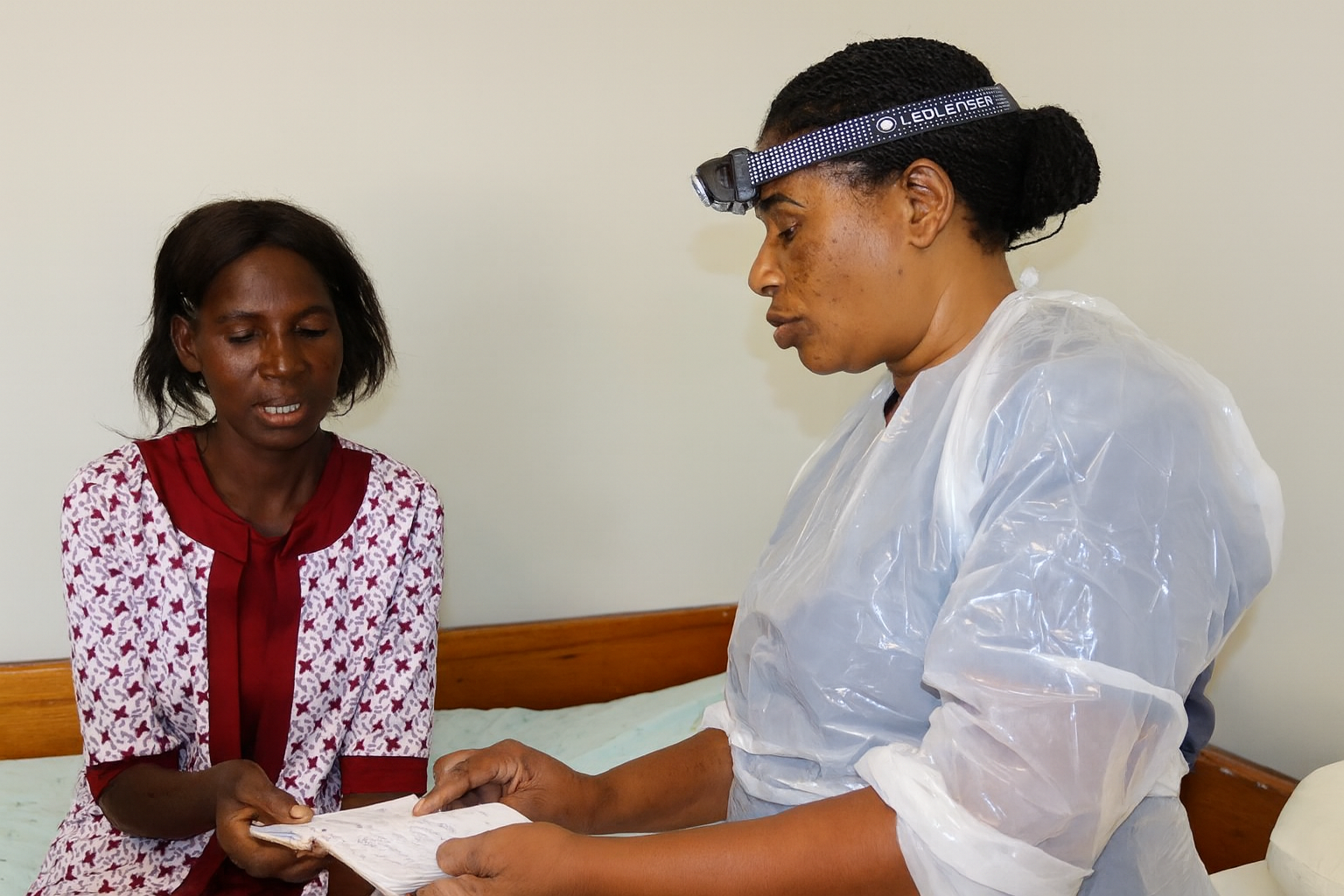
Windhoek—“In 2020, I underwent screening and was told that I had lesions, so I was put on treatment,” said Wendy Kalima, a 43-year-old woman from Sibbinda village in Namibia’s Zambezi region. After completing her treatment course, Kalima was scheduled for a follow-up in 2023, but due to unforeseen circumstances, she could not attend. “Today, I decided to come for follow up screening, and I was told that I am fully treated. I no longer have lesions,” she said with excitement. “I am going to encourage my fellow community members to go for screening. It doesn’t hurt and it helps to know early if you need treatment,”.
In Namibia, cervical cancer is the second most common cancer among women, after breast cancer and a leading cause of cancer-related deaths. According to Globocan 2022, Namibia’s age-standardized incidence rate for cervical cancer surpasses both the African and global averages. An estimated 350 new cases are diagnosed annually in the country and alarmingly, a woman dies from cervical cancer every two days, highlighting the urgent need for awareness, screening and early treatment.
Globally, cervical cancer is the fourth most common cancer in women, with around 660,000 new cases reported in 2022. That same year, approximately 94% of the 350,000 deaths occurred in low- and middle-income countries. The highest burden is seen in sub-Saharan Africa, Central America and South-East Asia regions where access to vaccination, screening and treatment remains limited. Women living with HIV are six times more likely to develop cervical cancer compared to the general population and about 20% of children who lose their mothers to cancer are orphaned due to this preventable disease.
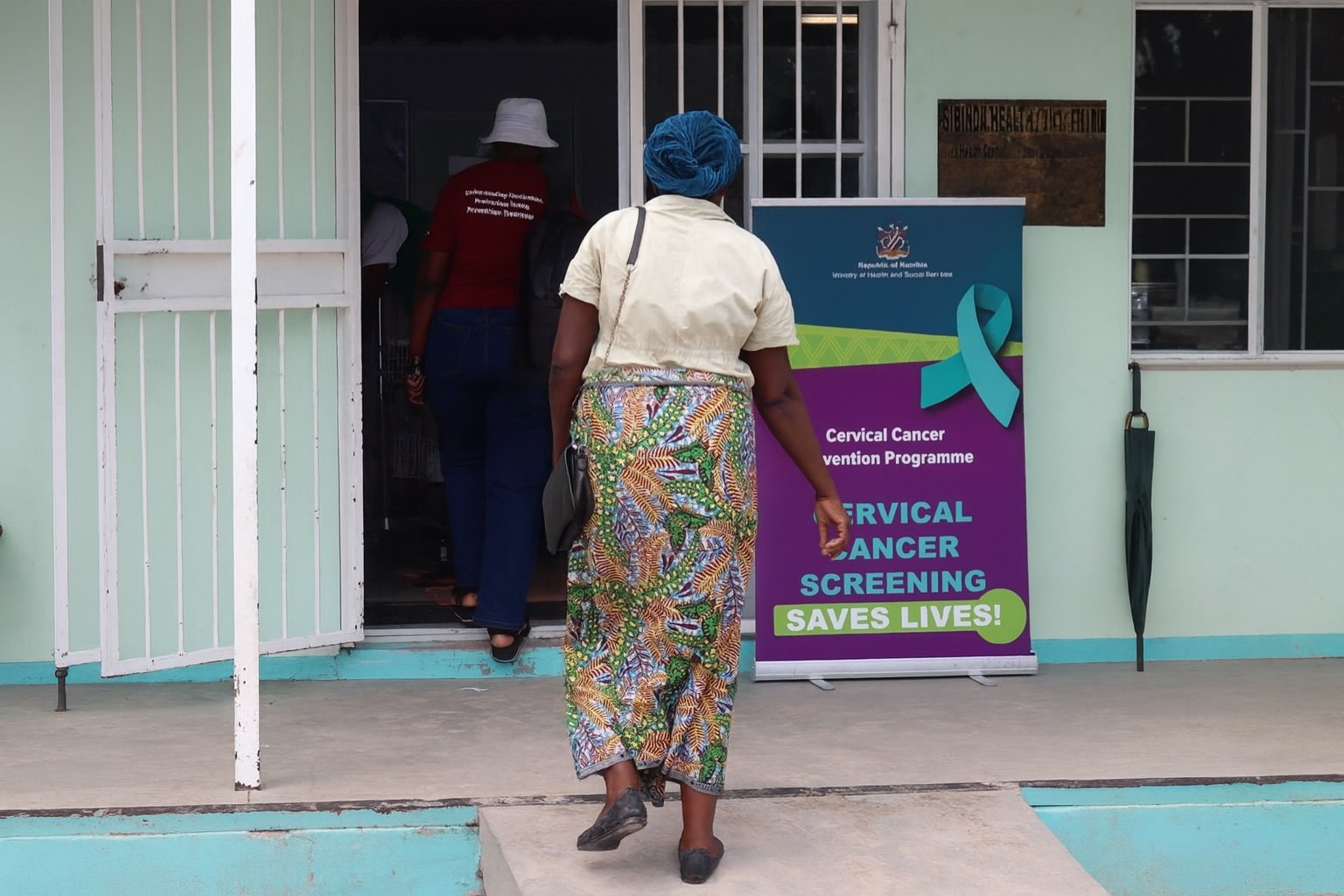
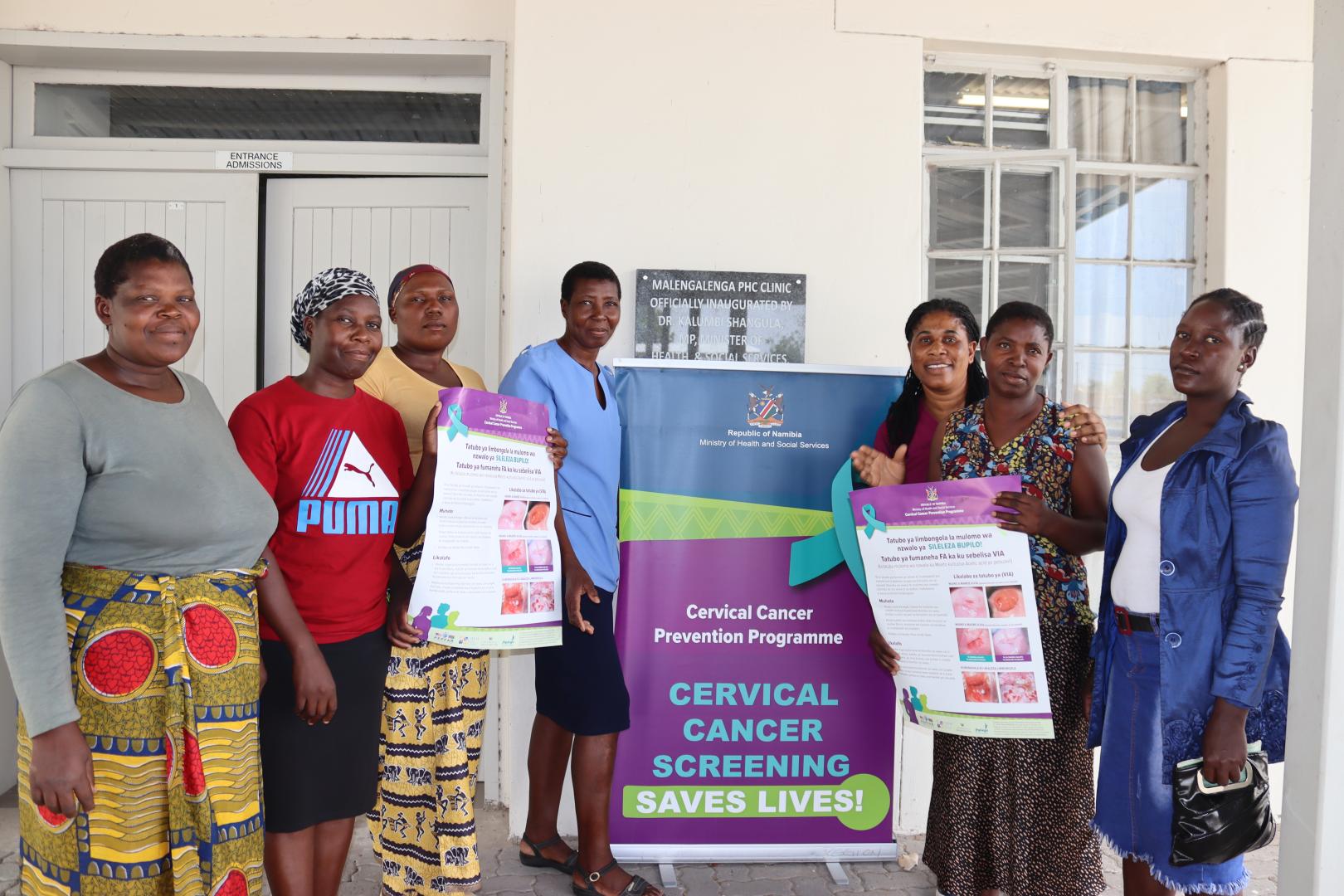
From 20 – 31 October 2025, the Ministry of Health and Social Services with support from the World Health Organization (WHO), conducted a cervical cancer screening campaign in the Zambezi region. The initiative aimed to treat women previously diagnosed with large pre-cancerous lesions and expand screening services to those who had missed earlier opportunities. The campaign also sought to increase access to screening and treatment in underserved areas through targeted outreach and to address the backlog of untreated pre-cancerous cases caused by staff shortages.
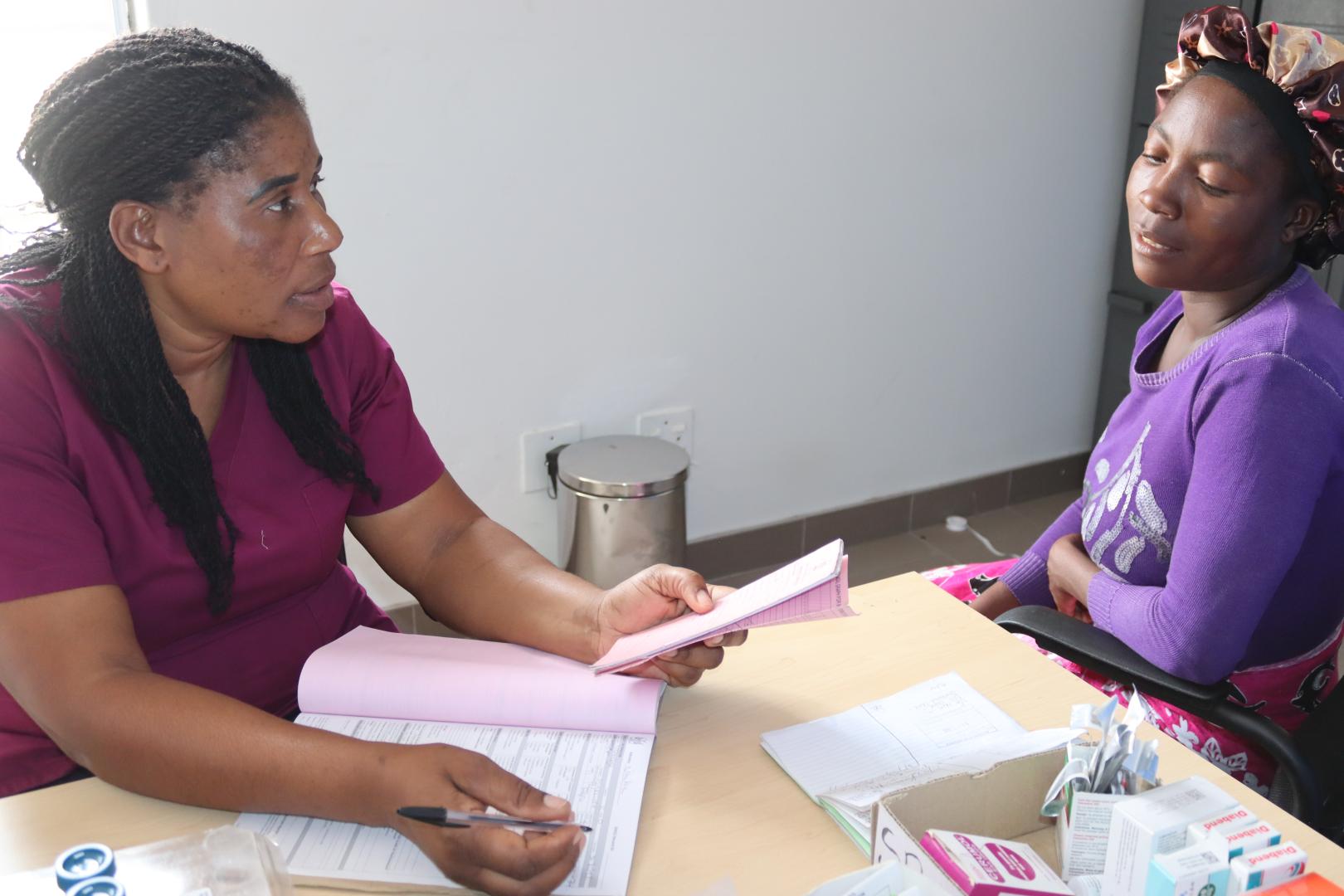
According to Roscheteler Sibuku, a registered nurse responsible for cervical cancer screening, health workers used multiple approaches to reach and engage community members. “We used radio announcements, community meetings and worked closely with traditional leaders. We also used existing registries to identify and contact eligible women,” she explained. Total Control of the Epidemic (TCE) field officers and health extension workers supported mobilization in the villages, while posters with campaign dates and educational messages were displayed on notice boards. Radio talks were conducted to raise awareness, and during screening visits, women received individual health education and counselling before and after the procedure, helping to build trust and understanding within the community.
The campaign aimed to screen and treat all Visual Inspection with Acetic Acid (VIA)-eligible women booked for cervical cancer screening at various clinics in Zambezi. Out of a target of 250 women during the five-day campaign, 221 women were screened, achieving a screening target of 88.4%.
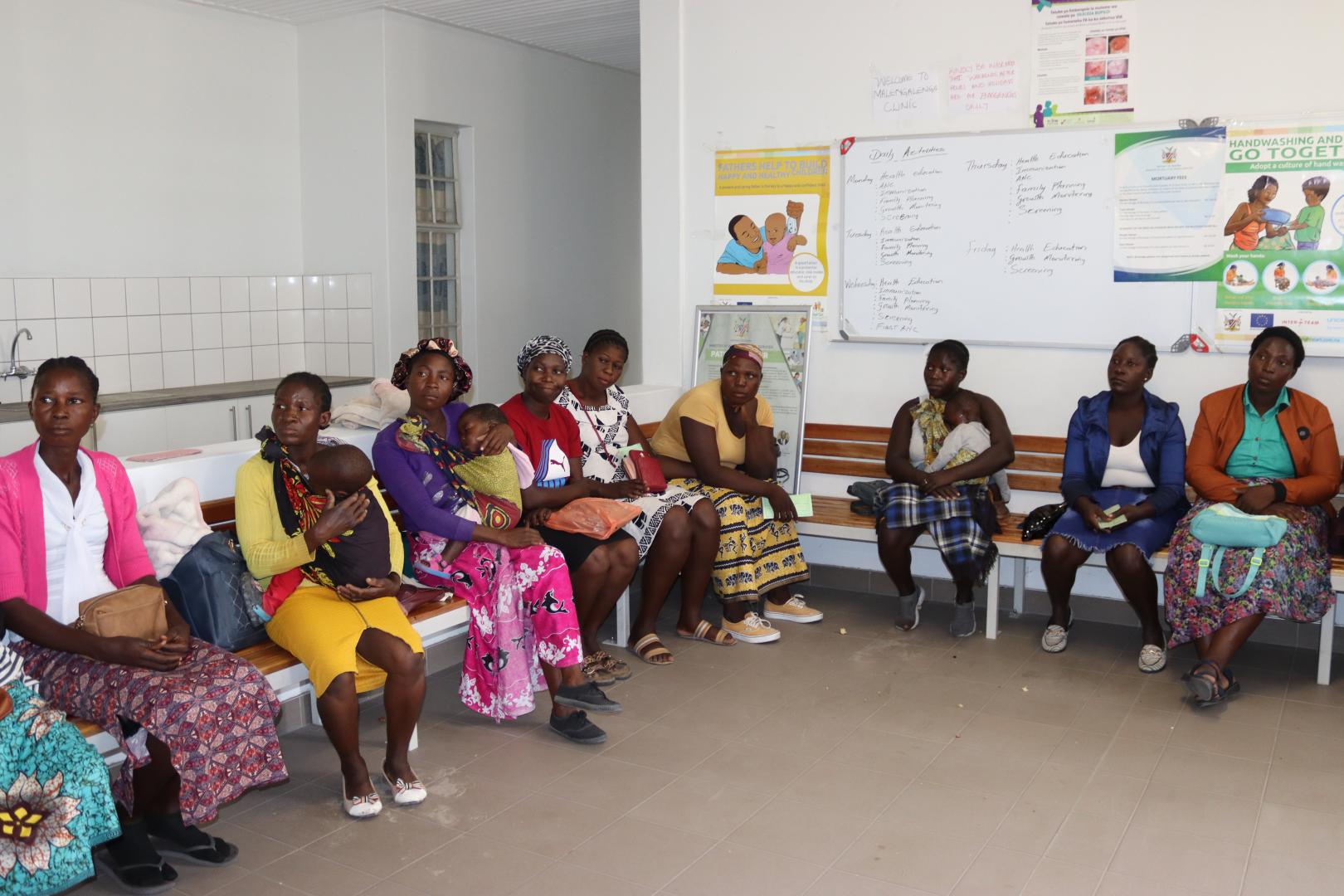
For Meudret Matengu, a 46-year-old community member from Sibbinda village, community awareness sessions made all the difference. “Through the health talks hosted by nurses and community health workers at the Sibbinda Health Facility and during the HPV vaccine campaign, I learned what cervical cancer is, how it can be prevented and treated,” she said while waiting for her screening. “I want to know where I stand and if I am positive or have any problem, I am ready to go on treatment,”.
Dr Richard Banda, WHO Representative to Namibia, commended the Ministry of Health and Social Services and partners for their continued efforts to expand cervical cancer screening and treatment services. “Cervical cancer is preventable, yet it continues to claim the lives of too many women, especially in low-resource settings,” he said. “Through strong collaboration, community engagement and innovative outreach initiatives like this one in Zambezi, we are bringing lifesaving services closer to women who need them most. WHO remains committed to supporting Namibia in achieving the global goal of eliminating cervical cancer as a public health problem.”


Communications Officer
Tel: +264-61-255121/191
Fax: +264-61-2046202
Email: Johanna.Nambahu [at] who.int (Johanna[dot]Nambahu[at]who[dot]int)