Zambia Launches National Simulation Exercise Framework to Strengthen Health Security
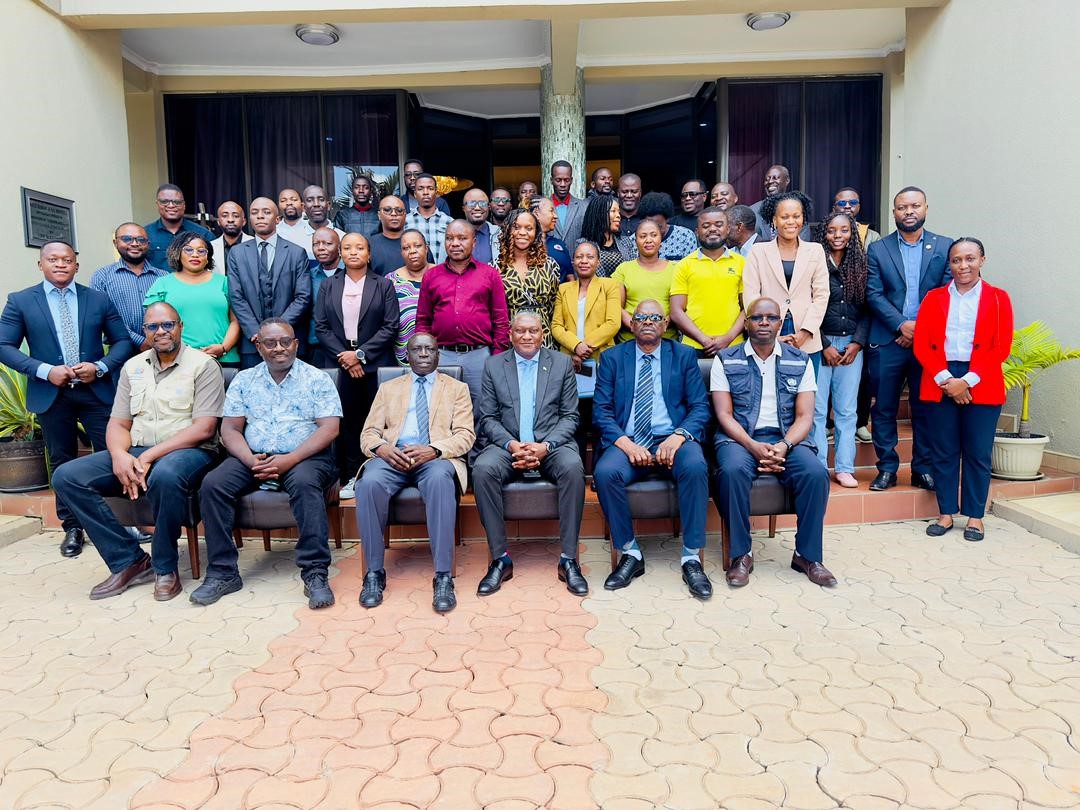
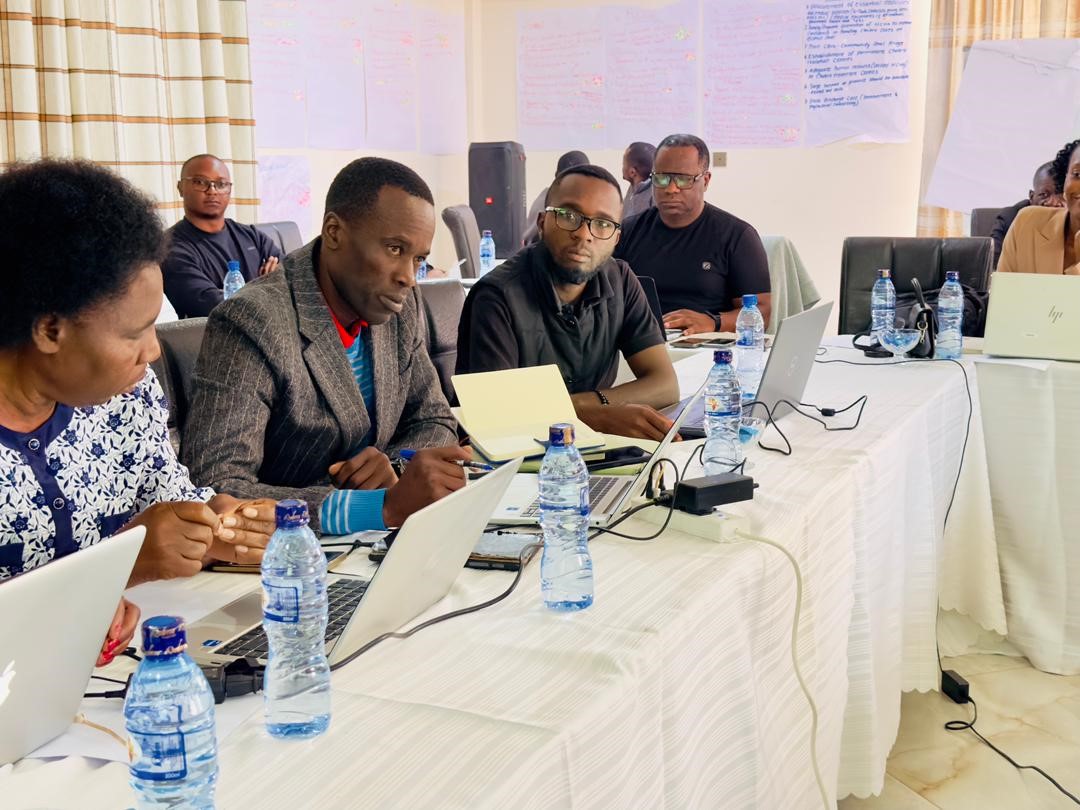
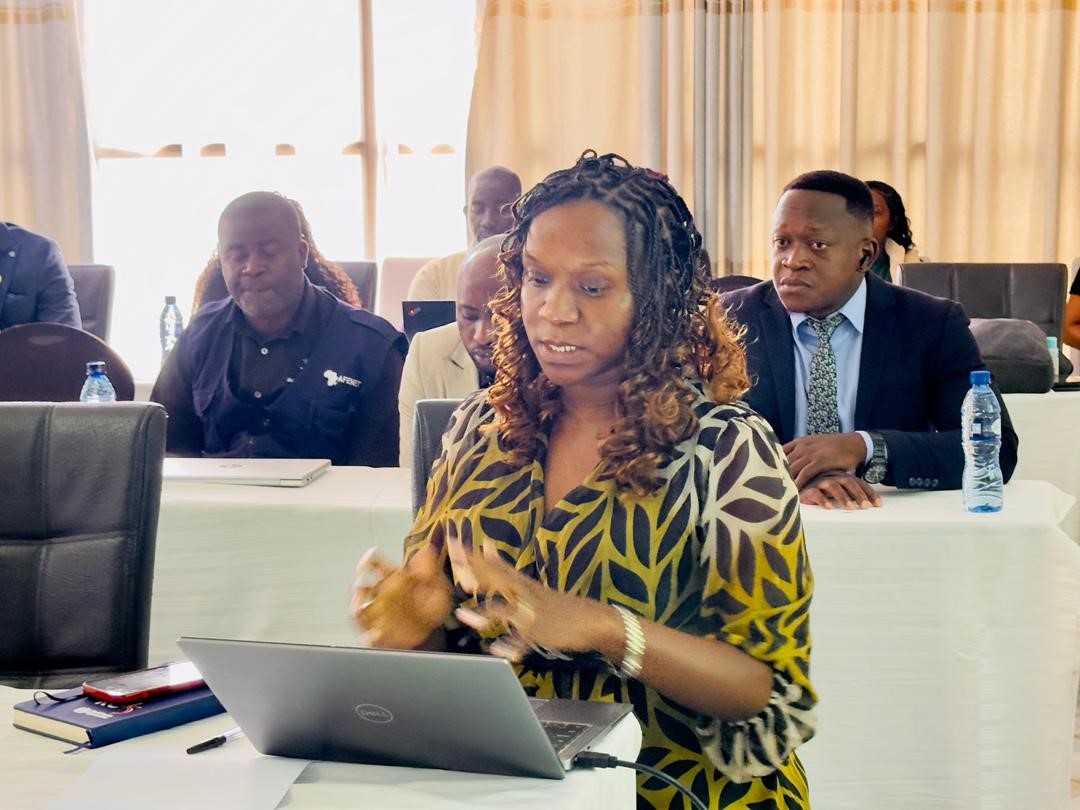
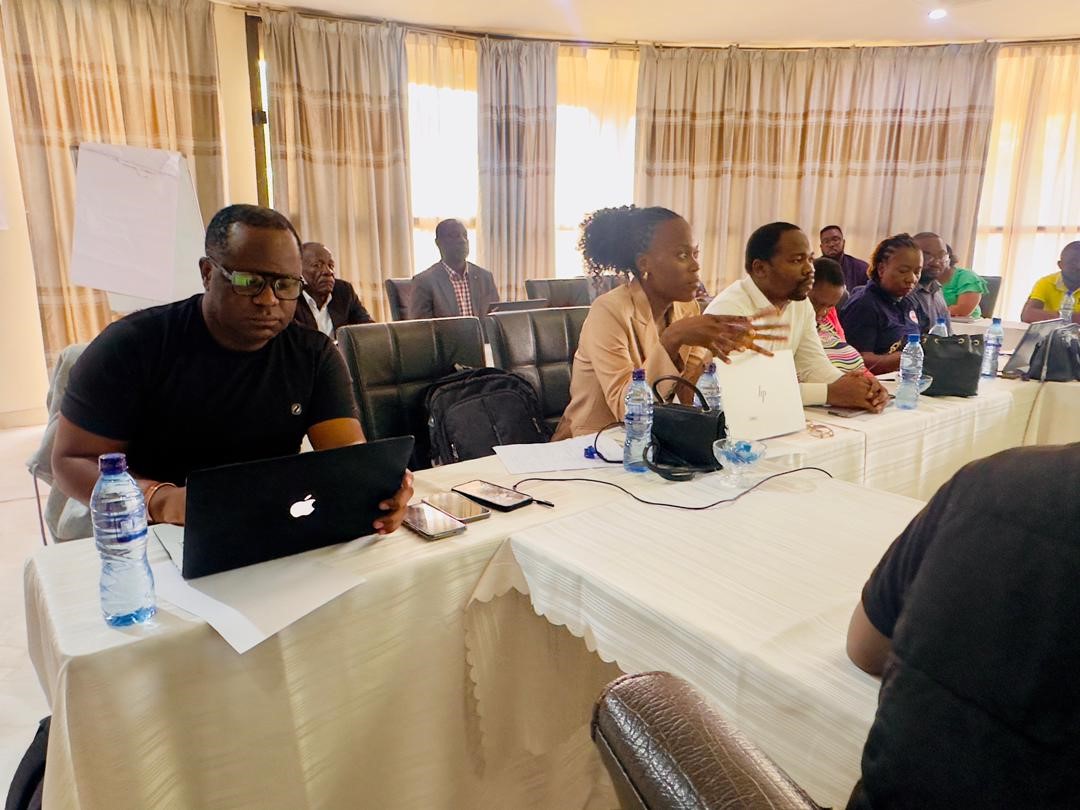
Zambia has taken a major step toward bolstering national health security with the launch of the National Simulation Exercise (SimEx) Framework on 4 September 2025 in Lusaka. This framework introduces a structured, nationwide approach to testing emergency preparedness systems before crises occur, ensuring that coordination structures, operating procedures, and frontline responders can function effectively during real public health threats.
The launch follows several months of intensive technical work supported by WHO country office in close collaboration with the Ministry of Health, the Zambia National Public Health Institute (ZNPHI), and the UK Health Security Agency (UKHSA). WHO experts worked side-by-side with national teams to refine exercise design, harmonize tools, and integrate global best practices. This sustained support ensured that the framework aligns fully with Zambia’s National Action Plan for Health Security (NAPHS), particularly pillars related to emergency coordination, surveillance, laboratory systems, and rapid response.
Simulation exercises are a core component of the International Health Regulations Monitoring and Evaluation (IHR M&E) Framework. However, prior assessments, including the 2023 Joint External Evaluation and reviews of recent outbreaks such as cholera, highlighted the need for more routine, structured, and multisectoral exercises to test critical capacities as a continuing learning culture to capacity advancement. Gaps in early detection, information flow, inter-agency coordination, and community engagement repeatedly emerged as areas for improvement. The new framework responds directly to these findings by institutionalizing regular exercises at national, provincial, and district levels.
The launch event brought together senior government officials, partners, and development agencies, reaffirming the collective responsibility of preparedness. It also underscored the importance of learning from past emergencies. Zambia’s recent experiences with cholera, measles, anthrax, and COVID-19 demonstrated how even well-designed plans can falter when not routinely tested. Simulation exercises provide a safe environment to practice roles, validate systems, and build confidence among responders.
WHO’s contribution goes far beyond technical review. Over the past months, WHO has trained national facilitators, supported the development of exercise scenarios tailored to Zambia’s risks, and worked with provinces to prepare for decentralized drills. Going forward, WHO will continue to support the rollout of the framework through hands-on mentoring, provision of certified SimEx facilitators, and guidance on after-action review processes to ensure that lessons translate into real operational improvements.
A key message from the launch, delivered by the WHO Representative, emphasized that preparedness is dynamic, not static. The SimEx Framework will help Zambia move from reactive to anticipatory action continuously testing systems before outbreaks occur rather than only learning during emergencies. By embedding simulation exercises into routine practice, Zambia is positioning itself to respond faster, coordinate better, and protect its communities more effectively.
With strong national ownership and sustained WHO support, this framework marks an important milestone in building a safer, more resilient, and better-prepared Zambia.
Communications Officer
World Health Organization Country Office, Zambia
Email: kapemak [at] who.int (kapemak[at]who[dot]int)