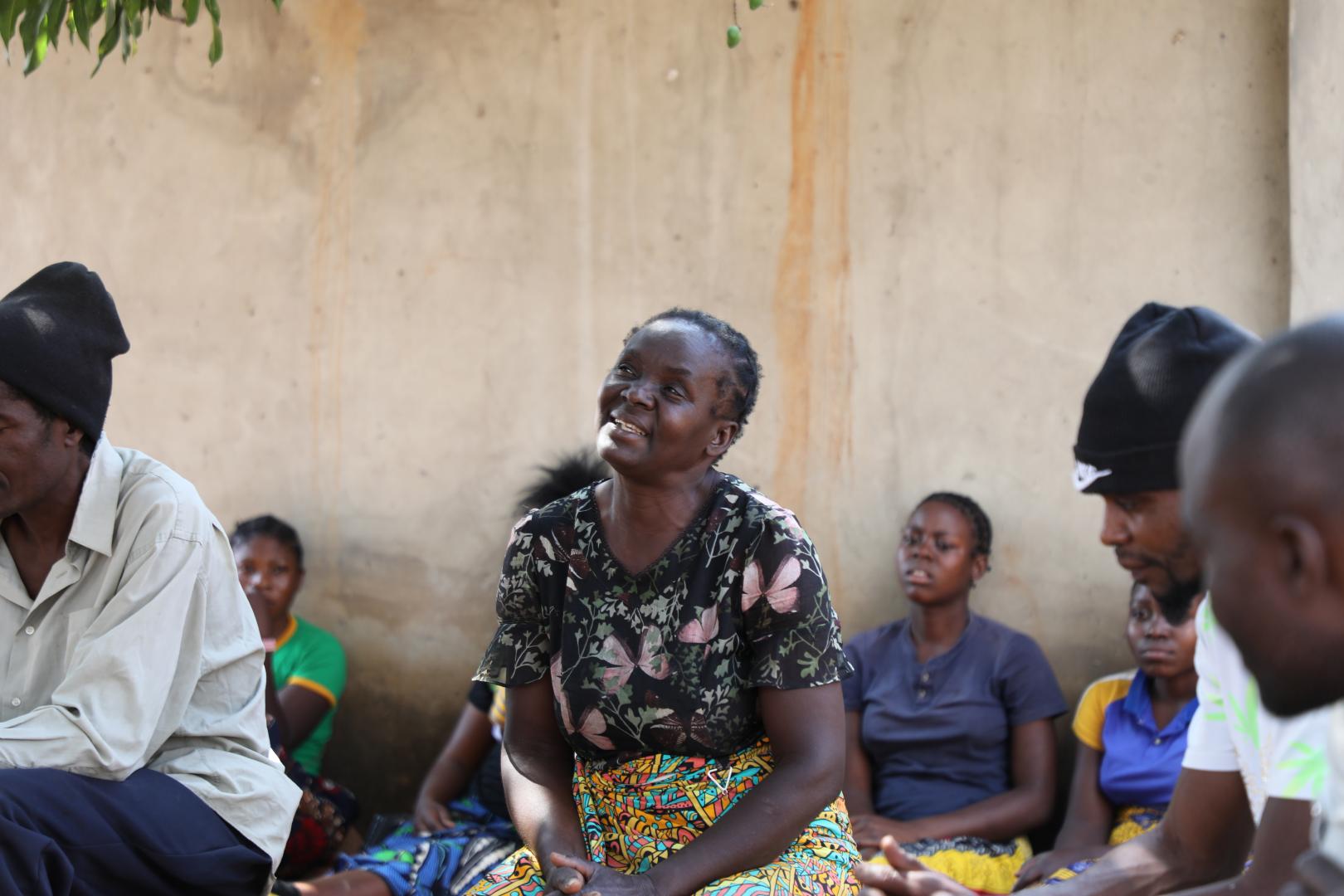
Building Resilient Communities: Zambia’s Drive to Strengthen Pandemic Preparedness at the Frontline through Pandemic Preparedness for Community Health Workers
In today’s interconnected world, outbreaks can spread faster than ever before, crossing borders, overwhelming systems, and disrupting lives. But as Zambia’s experience has shown time and again, the strongest defense against epidemics and pandemics begins not in boardrooms or laboratories, but in the community.
Zambia is taking bold steps to move preparedness where it matters most to the people. In November, the Ministry of Health and the Zambia National Public Health Institute, with support from the World Health Organization (WHO) and partners, launched a Training of Trainers Package on Community Protection for Pandemic Preparedness and Response. The initiative is one of the first of its kind in the African Region to be implemented in a non-outbreak setting, reflecting the country’s commitment to proactive readiness rather than reactive response.
This effort is anchored within WHO’s Health Emergency Preparedness, Response and Resilience (HEPR) Framework, which underscores that sustainable preparedness depends on five interconnected subsystems and elevates community protection as a cornerstone of resilient health emergency systems. It also advances the commitments of the WHO African Regional Committee Resolution AFR/RC73/R3, “Strengthening Community Protection and Resilience: Regional Strategy for Community Engagement, 2023–2030 in the WHO African Region,” which calls on Member States to institutionalize community-centered preparedness and resilience as an essential part of national health emergency systems.
In doing so, Zambia’s leadership also contributes to the core capacities required under the International Health Regulations (2005), particularly for early detection, risk communication, and community-based response. At its core lies the Community Protection approach, jointly developed by WHO, UNICEF and IFRC, which places communities at the center of preparedness, response, and long-term resilience.
Strengthening preparedness at the community level
Zambia’s communities have long been the frontline of public health response, from cholera and measles to anthrax and COVID-19. Over the years, the Ministry of Health has trained and deployed thousands of polyvalent Community-Based Volunteers (CBVs) who play a critical role in surveillance, case finding, and health promotion. Now, through this new integrated training package on community protection, Zambia is streamlining and harmonizing these efforts, preparing CBVs to detect and respond to a wide range of epidemic-prone diseases and public health threats, rather than focusing on single diseases. This approach enhances efficiency, builds local resilience, and ensures communities are better prepared for whatever outbreak may come next.
The training brings together experts across disciplines, to review and contextualize global tools for Zambia’s realities, ensuring that community actors are well-equipped to detect, report, and respond to health risks early before they escalate.
Preparedness in a changing risk landscape
Zambia’s leadership in this area is timely. The country continues to face frequent outbreaks and public health threats. At the same time, climate change is intensifying health risks with more frequent droughts, flash floods, and heat waves disrupting health services, electricity supply, water systems, and livelihoods. Zambia’s largest cholera outbreak in 2024 saw over 23 000 cases, and 750 deaths. Unfortunately, over 436 of these deaths occurred in the community, before they had a chance to reach the facility. Even with the great work and control efforts that were done at Zambia’s national Hero’s Stadium, one critical truth remains – preparedness must be anticipatory, not reactive. Communities must have the tools, training, and resources to act quickly and sustain essential services, even amid complex emergencies, and before those emergencies expand to epidemics and even pandemics.
Strengthening preparedness at the community level
Zambia’s communities have long been the frontline of public health response, from cholera and measles to anthrax and COVID-19. Over the years, the Ministry of Health has trained and deployed thousands of polyvalent Community-Based Volunteers (CBVs) who play a critical role in surveillance, case finding, and health promotion. Now, through this new integrated training package on community protection, Zambia is streamlining and harmonizing these efforts, preparing CBVs to detect and respond to a wide range of epidemic-prone diseases and public health threats, rather than focusing on single diseases. This approach enhances efficiency, builds local resilience, and ensures communities are better prepared for whatever outbreak may come next.
The training brings together experts across disciplines, to review and contextualize global tools for Zambia’s realities, ensuring that community actors are well-equipped to detect, report, and respond to health risks early before they escalate.
A model aligned with national and global priorities
Thus, the Community Protection initiative directly aligns with the Government of Zambia’s decentralization policy, as well as its focus on primary health care (PHC) as the foundation of universal health coverage and health security. By empowering subnational structures, the programme ensures that preparedness is rooted in community ownership and local decision-making. Importantly, this work aligns with WHO’s “Triple Billion” targets, ensuring one billion more people are better protected from health emergencies, and supports global efforts to build sustainable systems for health security.
Partnerships that deliver impact
This initiative is made possible through the support of the Pandemic Fund, which is financing the cascade and rollout of training across provinces and districts, ensuring that Zambia’s health security is improved over the next few years, and also the UK Health Security Agency (UKHSA), which contributed to the development of the training materials. The collaboration underscores how partnerships can translate global solidarity into tangible national impact.
The WHO Zambia Country Office, in collaboration with WHO Regional Office for Africa and the Community protection and resilience Unit of the Health Emergency preparedness department at WHO Headquarters, remains committed to providing technical support, coordination, and monitoring to ensure successful implementation and documentation of lessons for replication across the continent.
Towards a resilient Zambia
Zambia’s investment in community protection marks a significant shift in the way preparedness is conceived and implemented. It places communities, the very people most affected by epidemics, at the heart of resilience-building. By equipping volunteers, health workers, and local leaders with the skills and systems needed to act early, Zambia is ensuring that preparedness is everyone’s business, not only during crises, but as a continuous, everyday commitment to health and security. This is how we build a safer Zambia, a stronger Africa, and a healthier world, from the community up.
Thus, the Community Protection initiative directly aligns with the Government of Zambia’s decentralization policy, as well as its focus on primary health care (PHC) as the foundation of universal health coverage and health security. By empowering subnational structures, the programme ensures that preparedness is rooted in community ownership and local decision-making. Importantly, this work aligns with WHO’s “Triple Billion” targets, ensuring one billion more people are better protected from health emergencies, and supports global efforts to build sustainable systems for health security.
Communications Officer
World Health Organization Country Office, Zambia
Email: kapemak [at] who.int (kapemak[at]who[dot]int)