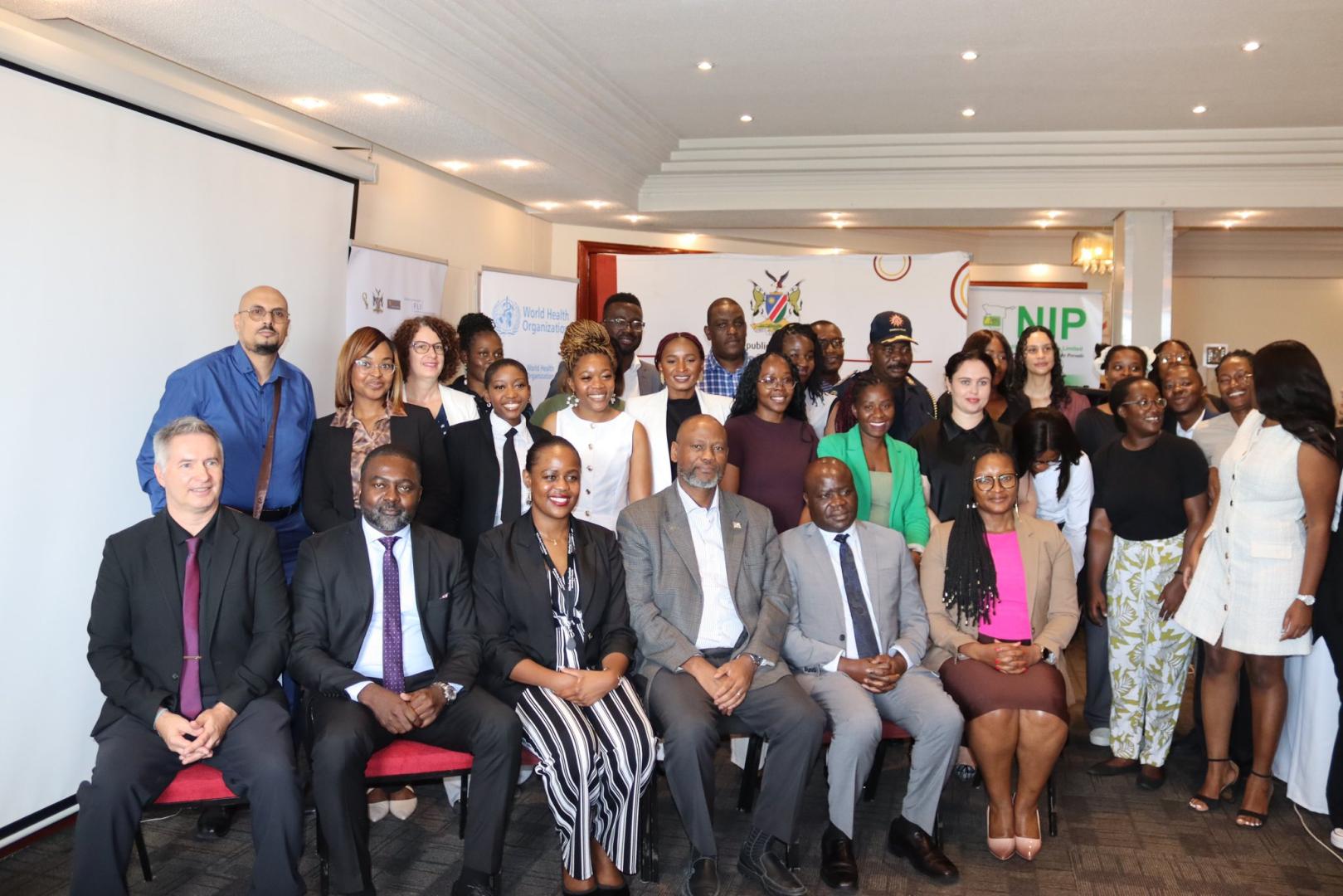
Strengthening National Action Against AMR: Namibia Marks WAAW 2025
Namibia officially launched the World Antimicrobial Awareness Week (WAAW) 2025 on 18 November, joining the global community in marking the annual campaign held from 18 to 24 November. The theme for 2025, “Act Now: Protect Our Present, Secure Our Future”, emphasized the urgent need for bold, coordinated action to address the growing threat of antimicrobial resistance (AMR). AMR was highlighted as an immediate and escalating challenge affecting health systems, food production, the environment and economies worldwide. With drug-resistant infections continuing to rise, the event underscored that awareness, investment and decisive action remain critically needed.
According to the Minister of Health and Social Services, Dr. Esperance Luvindao, in a speech delivered by Mr. Johannes Gaeseb, the country has made notable progress through collective commitment. Key milestones include the development of the One Health–based National Action Plan (NAAP) on AMR; submitting Namibia’s first national AMR dataset to the Global Antimicrobial Resistance and Use Surveillance System (GLASS), along with animal-sector reporting via Animuse; training Namibia Institute of Pathology (NIP) and peripheral laboratory staff in GLASS and WHONET; achieving measurable Infection Prevention and Control (IPC) improvements at Windhoek Central Hospital; reviewing the National Action Plan to improve development of the second edition of the NAAP; and the piloting of Antimicrobial Stewardship programs in six hospitals, which now serves as models for national scale-up. “These achievements reflect our commitment and the value of partnerships across ministries, laboratories, hospitals, and international agencies,” she said. “While efforts have been commendable and the results evident, more still needs to be done. AMR threatens the very programmes that have strengthened Namibians’ health, and protecting these medicines is essential to sustaining our public health gains.”
GLASS reports that 23 million bacteriologically confirmed infections were reported by 104 countries in 2025 alone. Even more concerning, data from 2023 showed that one in five infections in the African region were resistant to antibiotics, making it the second most affected region globally.
Speaking at the launch of WAAW 2025, Dr. Richard Banda, WHO Representative in Namibia, emphasized that AMR is a crisis unfolding in real time. “Every time a simple infection becomes untreatable, every time an antibiotic fails, our health systems, our food systems, our economies, and even our families are at risk,” he said. “That is why urgent and united action is critical.” He further stressed that effectively tackling AMR requires a One Health approach that brings together human health, animal health, agriculture, the environment, and the broader development sectors.
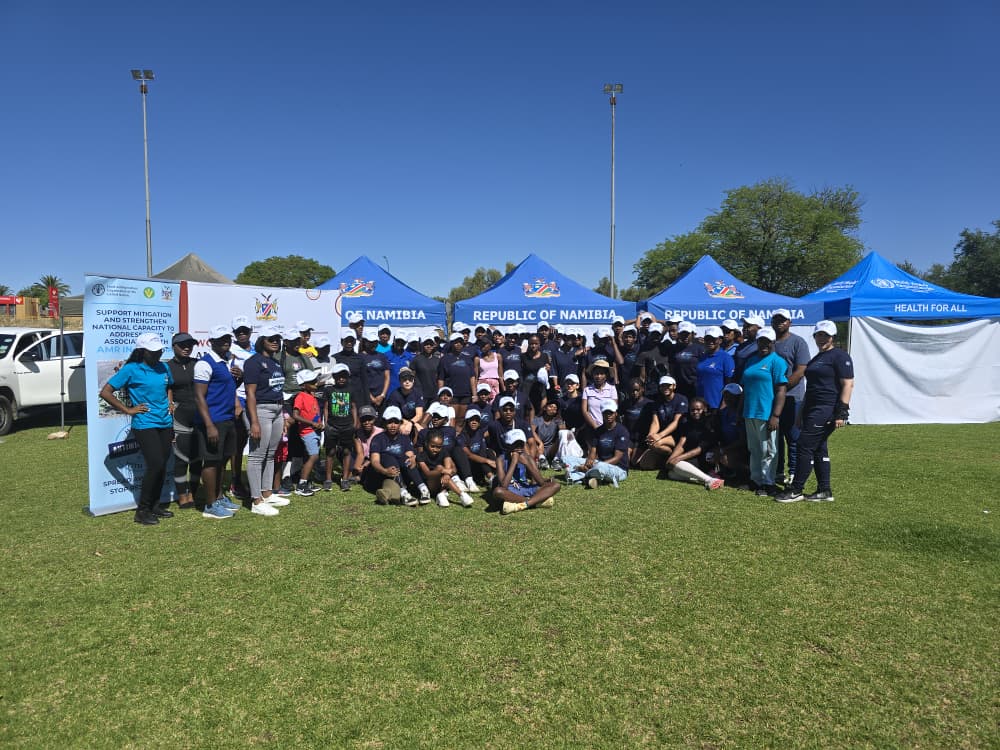
The awareness week concluded with a series of community-focused activities, including public education sessions, an AMR awareness Symposium for university students, a Continuous Professional Development (CPD) seminar for health professionals to share knowledge and best practices, an awareness fun day and a medicine drop-off initiative operated in two townships and city centre, to promote a safe disposal of medicines.
Communications Officer
Tel: +264-61-255121/191
Fax: +264-61-2046202
Email: Johanna.Nambahu [at] who.int (Johanna[dot]Nambahu[at]who[dot]int)