From hills to homes: how village health workers led Lesotho’s Measles-Rubella vaccination campaign
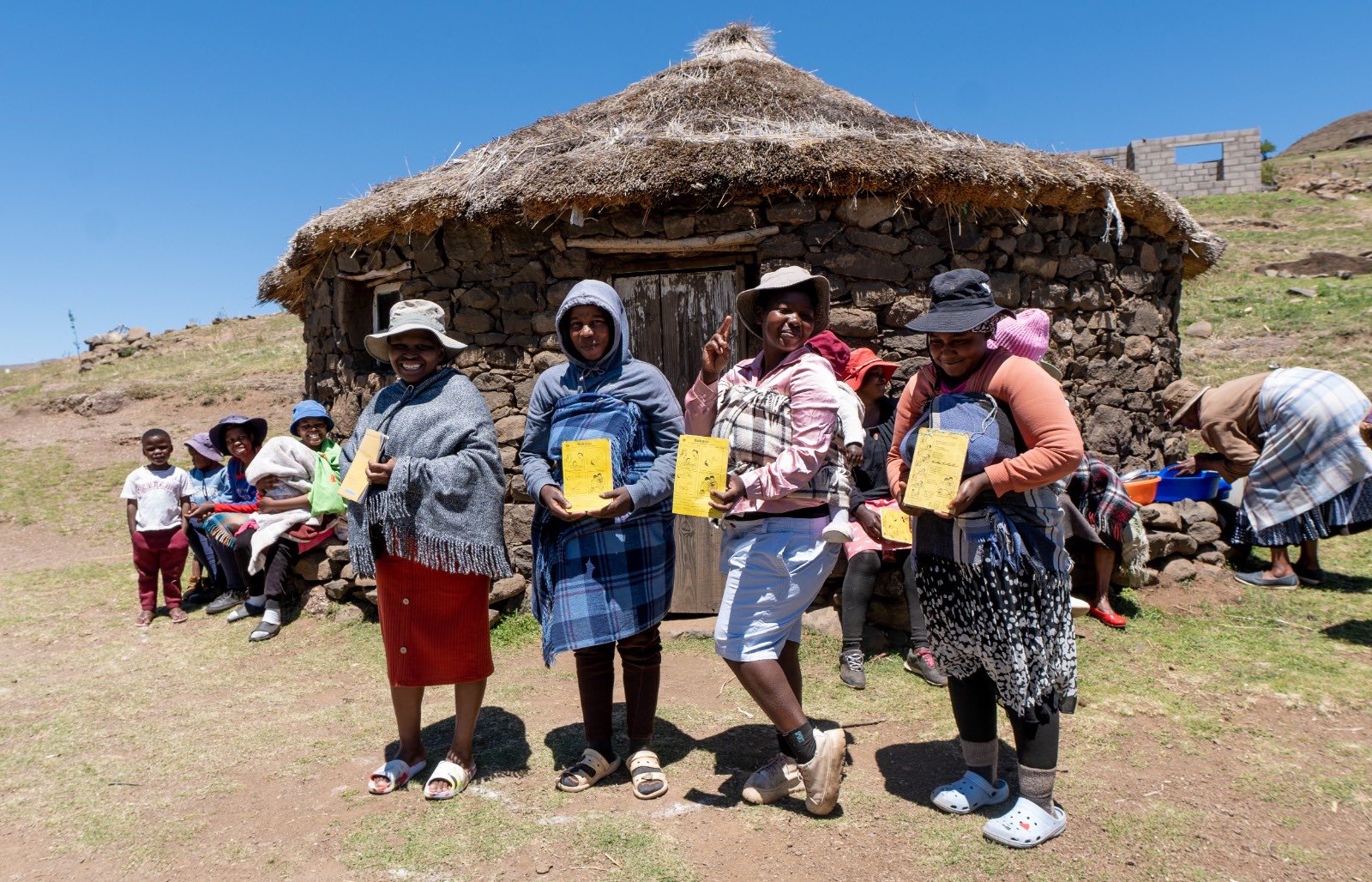
Qacha’s Nek- High in the mountains of Lesotho, where villages cling to steep slopes and winding paths cut through valleys, a remarkable health campaign unfolded. The measles-rubella (MR) vaccination drive reached even the most remote corners of Qacha’s Nek and Mokhotlong Districts, led by the determination of Village Health Workers (VHWs), local chiefs, and parents who refused to let geography stand in the way of their children’s health.
In the rugged terrain of Qacha’s Nek, Manthatisi Mahlomola began her day knocking on doors. As a Village Health Worker, she was more than a messenger; she was a trusted neighbor. Families listened when she explained the importance of immunization and guided them to vaccination sites.
“This campaign was about securing a healthier future for our children,” she said, her voice steady with conviction.
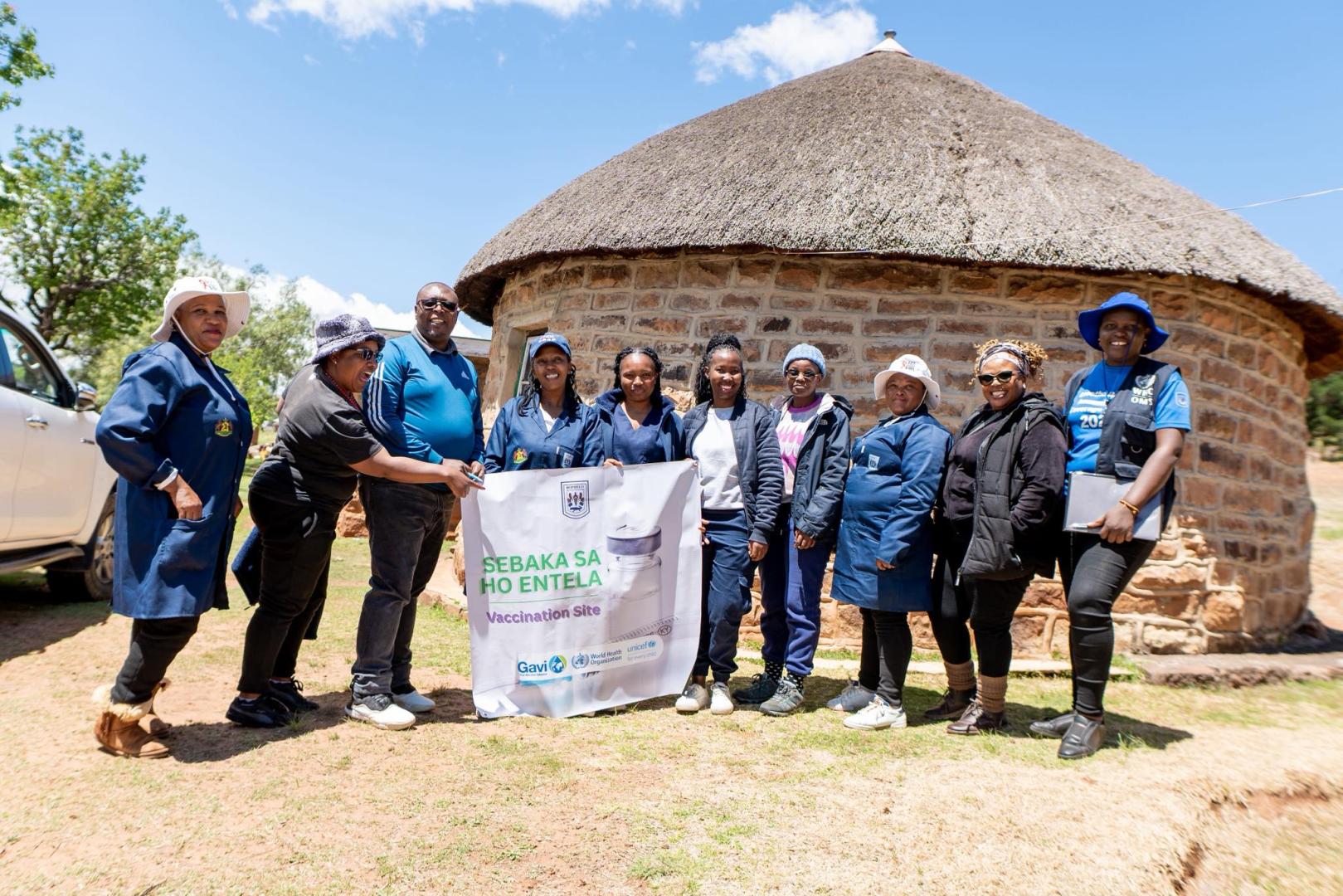
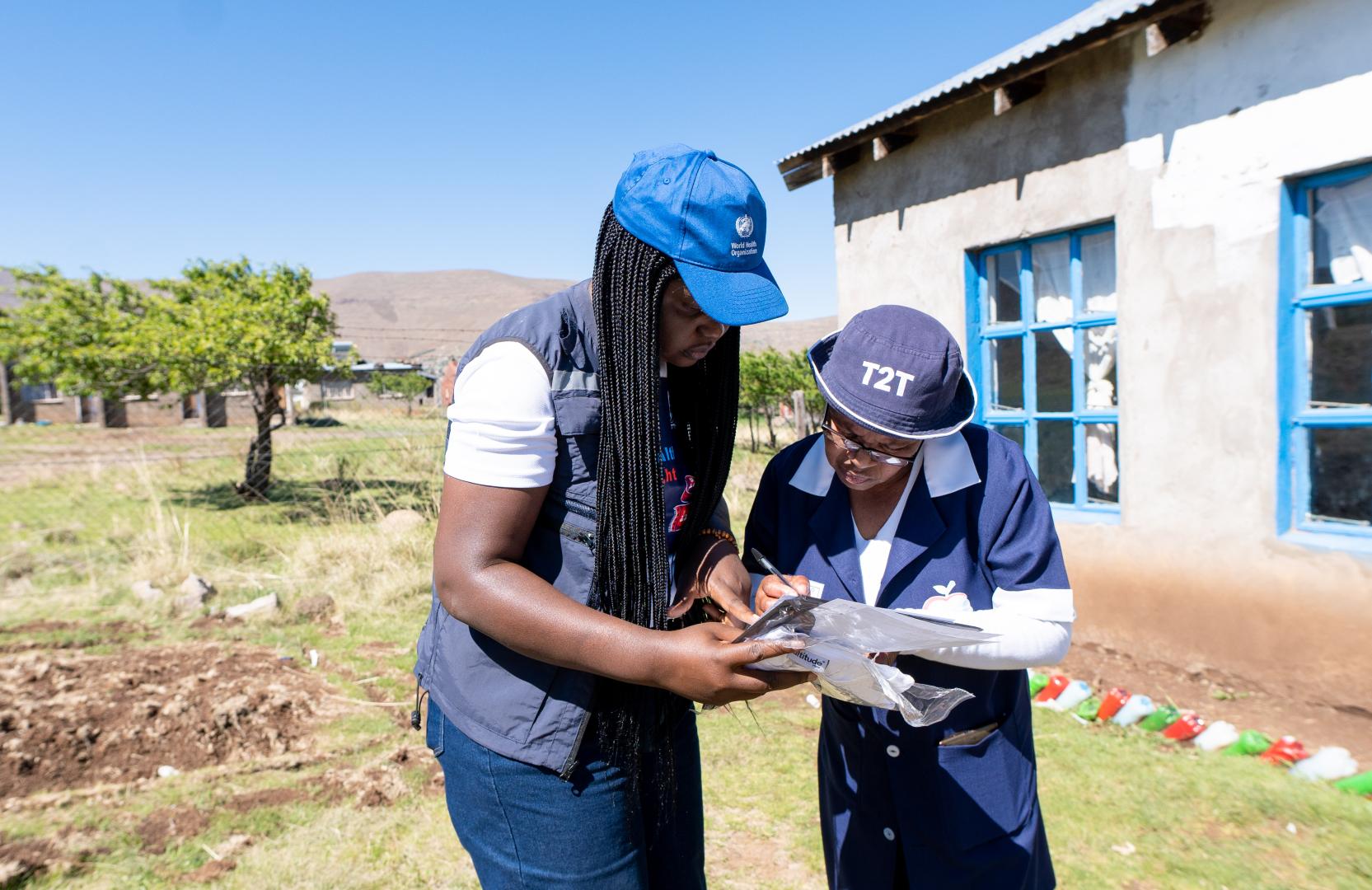
Her work was reinforced by local chiefs, who opened their homes as vaccination sites, turning tradition into a tool for health. Technology also lent a hand: health teams used the Open Data Kit (ODK) to collect real-time data, track progress, and respond quickly to challenges. This blend of grassroots mobilization and digital innovation ensured efficient data collection during the vaccination exercise.
WHO Lesotho Health Promotion Officer, Ntate Thato, joined the Ministry of Health teams in Mokhotlong to reach families who were initially hesitant about vaccination. Through patient dialogue and accurate information, parents who were misinformed about vaccines agreed to have their children receive the much-needed measles-rubella shots.
For parents like Moroeng Lieketseng, the campaign brought relief. “I was so happy my 5-year-old son was vaccinated. This vaccine will protect our children from serious illnesses like measles and rubella.”
Hundreds of kilometers away in Mokhotlong District, the story was the same, though the terrain was even harsher. In Mapholaneng, families walked long distances along steep paths, carrying children on their backs, determined to reach vaccination sites.
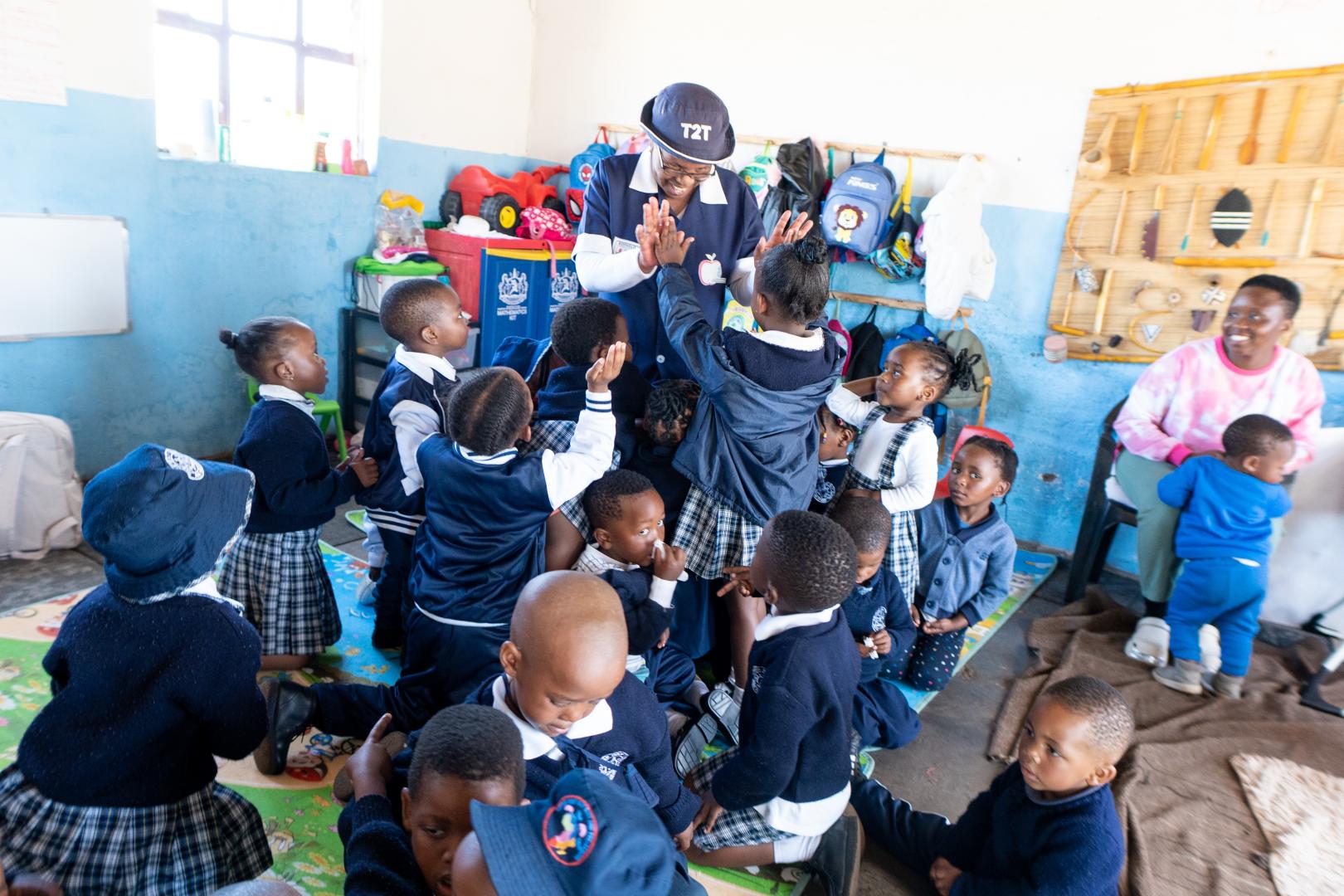
At Praise Pre-school in Matamong Village, the atmosphere was filled with excitement. Children giggled nervously as they lined up, while parents watched with pride. Public Health Nurse Ramotse Khoane reassured them: “Challenging terrain will not stand in the way of protecting children through the MR vaccination campaign.”
Here, the campaign was a testament to resilience. Local healthcare workers set up remote vaccination sites, coordinated with VHWs, and mobilized parents. Despite the obstacles, families continued to arrive, proving that determination can overcome geography.
For parents, the effort was deeply personal. ’Masechaba Nthunya, a mother from Mokhotlong, reflected: “I walked for more than an hour with my daughter to reach the site. It was not easy, but I knew it was important. Now I feel at peace knowing she is protected.”
Though separated by mountains, the stories of Qacha’s Nek and Mokhotlong were bound by a common thread: community-driven health efforts. In both districts, VHWs were the bridge between families and health services, chiefs were the mobilizers, and parents were the heroes who braved the terrain to protect their children.
The MR campaign ran from October 20 to 24 across all districts, led by the Ministry of Health, supported by GAVI, WHO, UNICEF, and other partners.


Communications Officer
WHO Country office, Lesotho
Email: okoronduo [at] who.int (okoronduo[at]who[dot]int)