
Cardiovascular Diseases
Cardiovascular diseases (CVDs) are often called "silent killers" because heart attacks and strokes are a common first warning sign of an underlying disease. High blood pressure is the most frequent and most important risk factor for CVDs. Its prevalence is estimated to be about 20 million in the African Region.
The most common symptom of coronary artery disease is angina. Angina is often described as a pressure, heaviness, discomfort, aching, burning or a painful feeling in the chest. The symptoms can often be mistaken for indigestion or heartburn.
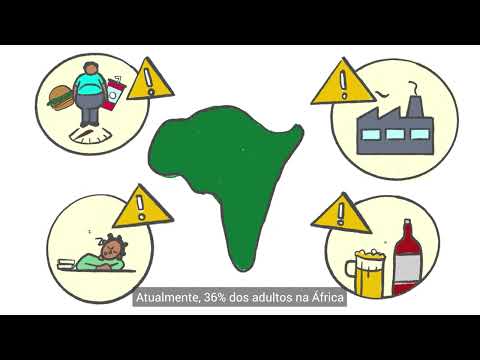
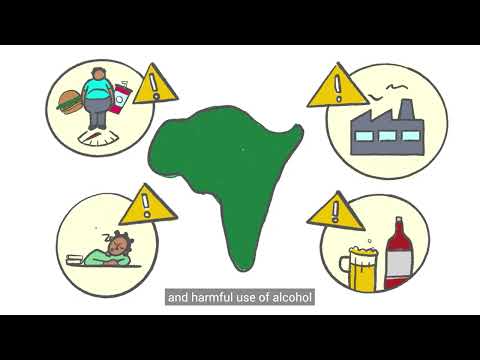
Behavioural risk factors are responsible for about 80% of coronary heart disease and stroke. The major causes of cardiovascular diseases are tobacco use, physical inactivity, an unhealthy diet and harmful use of alcohol. CVDs occur almost equally between men and women.
Raised blood pressure, raised cholesterol, and overweight and obesity are often outcomes of inadequate lifestyles in the Region. The reduction of salt in the diet, consuming fruits and vegetables, and managing stress are effective ways to reduce the risks of cardiovascular diseases.
Other CVDs include peripheral artery disease, rheumatic heart disease, congenital heart disease and heart failure. Poverty, lack of education, and unplanned urbanization can increase exposure to cardiovascular risk factors.
Latest News
See allPublications
See all
Rheumatic heart disease and rheumatic fever programmes in the WHO African Region: review of reviews
Rheumatic heart disease (RHD) is a significant cause of heart failure globally, with over 40.5 million people affected worldwide in 2019. Sub-Saharan Africa accounts for 23% of RHD cases worldwide, with an estimated prevalence rate of 10.31 cases per 1000 people.