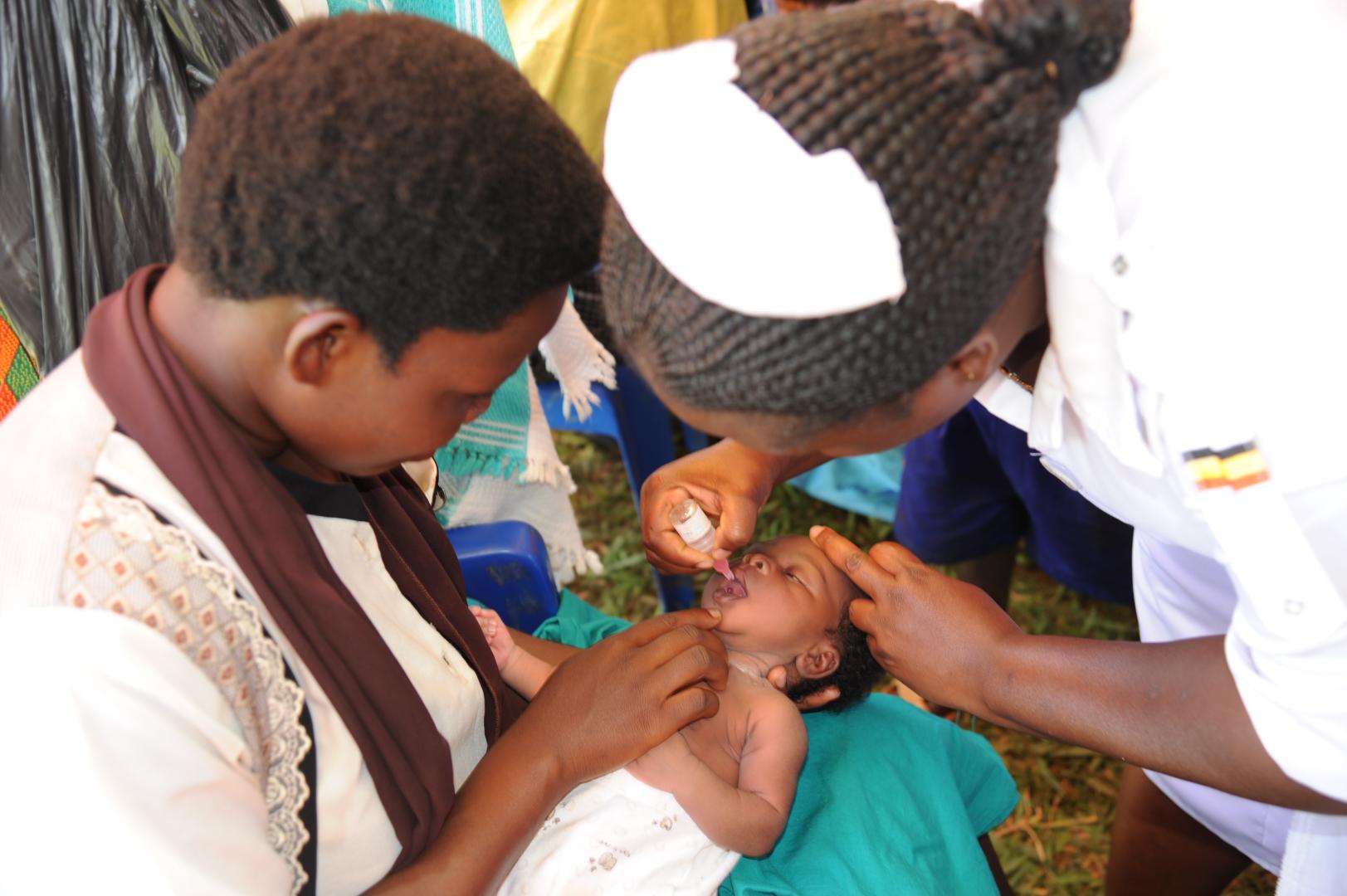
Uganda strengthens its health system to better serve 1.9 million refugees
Kampala- Uganda, Africa’s largest refugee-hosting nation, is racing to keep its health system responsive as needs rise and resources shrink. With more than 1.92 million refugees living across settlements in the north, southwest, and in Kampala, the country continues to pursue an ambitious goal: delivering equitable, culturally sensitive healthcare to both refugees and host communities under the banner of Universal Health Coverage.
At the center of this effort is the Health Sector Integrated Refugee Response Plan (HSIRRP 2025–2029), which embeds refugee health into national systems rather than parallel humanitarian structures. But as funding declines, health authorities are increasingly pressed to do more with less.
WHO backs a new competency approach
To address gaps in the capacity of health workers serving diverse, often vulnerable populations, the WHO Health and Migration Programme, working with the WHO Health Workforce Department, introduced the Refugee and Migrant Health: Global Competency Standards for Health Workers. These standards promote culturally appropriate, ethical, and evidence-based care tailored to the needs of displaced populations.
WHO Uganda, through district health teams, has since taken the lead in adapting these standards to the country’s context, designing new training courses, documenting practices, and advocating for nationwide uptake.
Training the workforce at scale
In 2025, Uganda trained 560 health care workers, 60 at the national level and 500 across refugee-hosting districts, on both the global competency standards and the Expanded Programme on Immunisation curriculum. The goal was to equip front-line workers with skills in cultural competence, communication, professional ethics, and evidence-based care, while strengthening immunization services focused on densely populated settlements.
Another 200 health workers at points of entry were trained on screening, early detection, and infection prevention and control, reinforcing Uganda’s preparedness for cross-border health threats.
Universities and parliament step in
Recognizing the need for sustainable, locally driven training, WHO and the Ministry of Health mobilised major universities, Makerere, Gulu, Kampala International University, and Mbarara University of Science and Technology, to institutionalize migrant health competencies in their curricula.
At the policy level, members of Parliament on the health committee, senior officials in the Office of the Prime Minister, and Ministry of Health leaders were engaged to discuss how Uganda can maintain refugee health services amid tightening budgets.
Partnerships strengthen the response
Capacity-building also extended to UN agencies such as UNHCR, UNICEF, UNFPA) and NGOs, including MTI, IRC, and Baylor Uganda, with 22 staff trained on the global competency standards.
In the settlements, community health workers and translators have become vital in bridging cultural and linguistic gaps, an achievement highlighted in recent assessments that show stronger district-led service delivery with less external support.
Persistent gaps threaten progress
Despite these gains, significant challenges persist, including shortages of specialized staff—particularly in mental health, alongside limited training coverage that leaves many health workers without migrant specific competencies; uncertain financing that threatens the continuity of capacity building efforts; and concerns about long-term sustainability, especially as humanitarian funding continues to decline.
A call for sustained investment
WHO recommends scaling up ongoing professional development, embedding training within district systems, and securing long-term financing through national budgets, innovative insurance mechanisms, and well-planned donor transitions. Central to these reforms is ensuring that skills transfer from humanitarian agencies to government systems is deliberate and monitored.
Looking ahead
Uganda’s progress in integrating refugee health into national systems is widely recognized, from building capacity at points of entry to strengthening community-based responses. But delivering truly inclusive Universal Health Coverage for refugees, migrants, and host communities will require unwavering investment in people: the health workers, institutions, and districts that form the backbone of the country’s response. As resources shift and needs evolve, Uganda’s challenge is clear: turn today’s gains into tomorrow’s sustainable, system-wide capacity.
Health Promotion Advisor
Tel. : +256 414 335505
Cell: +256 772 507906
Email: sensasib [at] who.int (sensasib[at]who[dot]int)