Health as the foundation for development: Building Zambia’s health future together
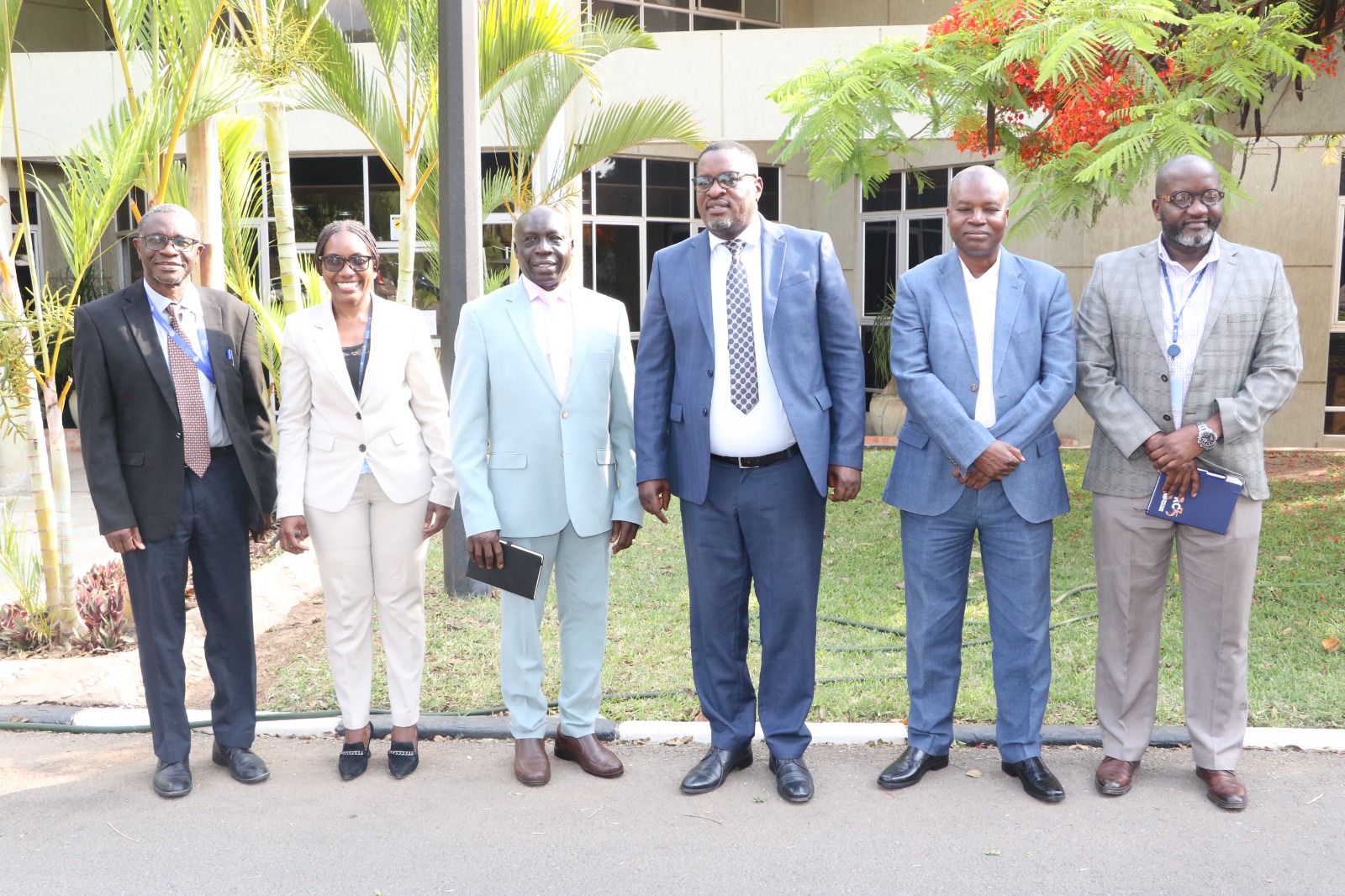
Dr Lasuba’s courtesy call on Hon. Moses F. Moyo, Second Deputy Speaker of the National Assembly of Zambia
Zambia continues to demonstrate strong political will and national ownership in advancing health and well-being. Increased investment in health financing, disease prevention, and system strengthening reflects the understanding that health is the foundation of development. WHO, now over seven decades old, shares this vision, working to save lives and promote well-being for all.
“A healthy population is a productive population,” says Hon. Moses F. Moyo, emphasizing that Parliament prioritizes health as a prerequisite for development, ensuring inclusivity, accountability, and adequate funding.
Since independence, Zambia has made significant strides in primary health care, immunization, maternal and child health, and infectious disease control. Parliament’s oversight and legislation have been key, with health budget allocations rising from 8% in 2022 to nearly 12% in 2024, moving toward the Abuja target of 15%. Hosting the 75th WHO Regional Committee for Africa in Lusaka in 2025 reaffirmed Zambia’s leadership in regional health dialogue, focusing on health sovereignty, local manufacturing of medicines, and sustainable financing.
Despite progress, Zambia faces a triple burden of disease: communicable diseases such as malaria, HIV, and cholera; noncommunicable diseases like diabetes and hypertension, which increasingly affect young people; and neglected tropical diseases and injuries that add strain to health systems. Addressing these challenges requires a One Health approach, integrating sectors such as agriculture, environment, and education.
For over six decades, WHO has partnered with Zambia to strengthen systems and save lives through disease surveillance and outbreak response, expanded immunization and child survival programs, maternal and child health initiatives, policy development, laboratory strengthening, and workforce training. These efforts also promote Universal Health Coverage and align with Zambia’s National Health Strategic Plan through the WHO Country Cooperation Strategy.
Parliament remains central to health governance through legislation, oversight, and budget approval. Key bills, such as the ZAMMSA Amendment Bill, National Health Services Bill, and Tobacco Control Bill await passage to strengthen regulation and service delivery.
Hon. Moyo welcomed the idea of bi-annual consultative forums between WHO and Parliament to review priorities and performance, reinforcing transparency and coordination. Financing remains critical, with increased domestic funding, public private partnerships, and the Constituency Development Fund ensuring equitable access. Investing in prevention, especially for noncommunicable diseases, offers higher returns than treatment.
The partnership between WHO and Parliament reflects collective responsibility. Together, they aim for a Zambia where every child is vaccinated, every mother delivers safely, and every community has access to essential health services. “Health is the foundation upon which Zambia’s development will stand,” concludes Dr. Lasuba. “Through leadership, oversight, and community participation, we can build a healthier, more resilient future for all.”
Communications Officer
World Health Organization Country Office, Zambia
Email: kapemak [at] who.int (kapemak[at]who[dot]int)