Nairobi – In Kenya, regular mass drug administration is protecting a new generation from the effects of lymphatic filariasis, commonly known as elephantiasis ‒ a neglected tropical disease that affects the lymphatic system and can lead to the abnormal enlargement of body parts, causing pain, severe disability and social stigma.
In 2000, Kenya launched the National Programme to Eliminate Lymphatic Filariasis, following the establishment of the World Health Organization (WHO)’s global programme to end the disease. The programme has two key components: to stop the spread of infection with preventive chemotherapy called mass drug administration and to alleviate the suffering of affected people through care and disability prevention.
With WHO support on training, supervision and coordination at national and county levels, Kenya has carried out successful mass drug administration rounds, responding to community concerns and tracking progress towards elimination by 2027.
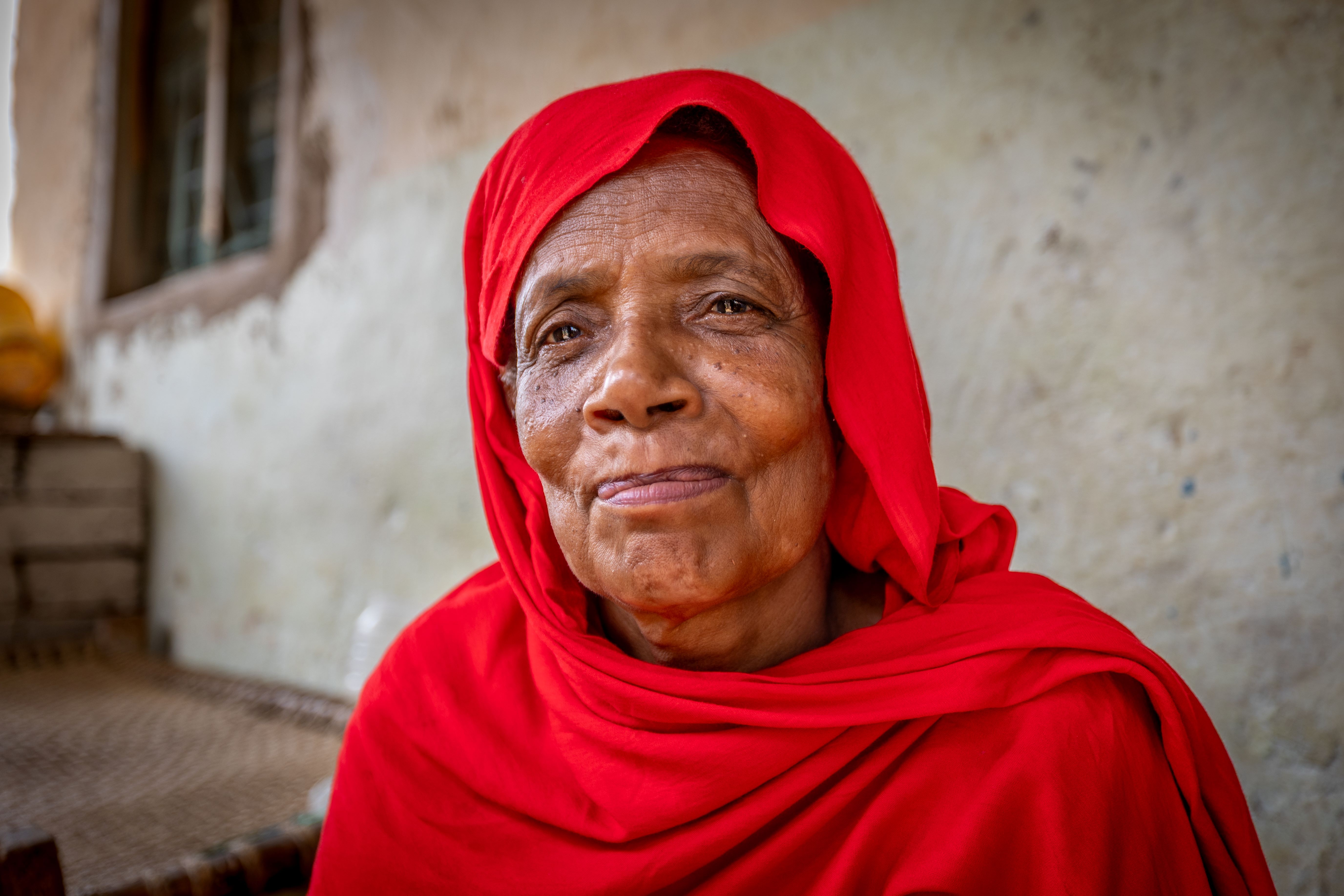
Lymphatic filariasis is transmitted by mosquitos carrying filarial worms (microscopic parasitic worms) which damage the lymphatic system as they mature. The diseases can cause lymphoedema (swelling of limbs) and hydrocele (swelling of the scrotum), often accompanied by toughening of the affected area’s skin. The disease affects people’s physical and mental well-being, quality of life and ability to work.
“Sometimes I get very high fevers and my body feels heavy,” says Shee. “I can’t go far or do much like I used to.”
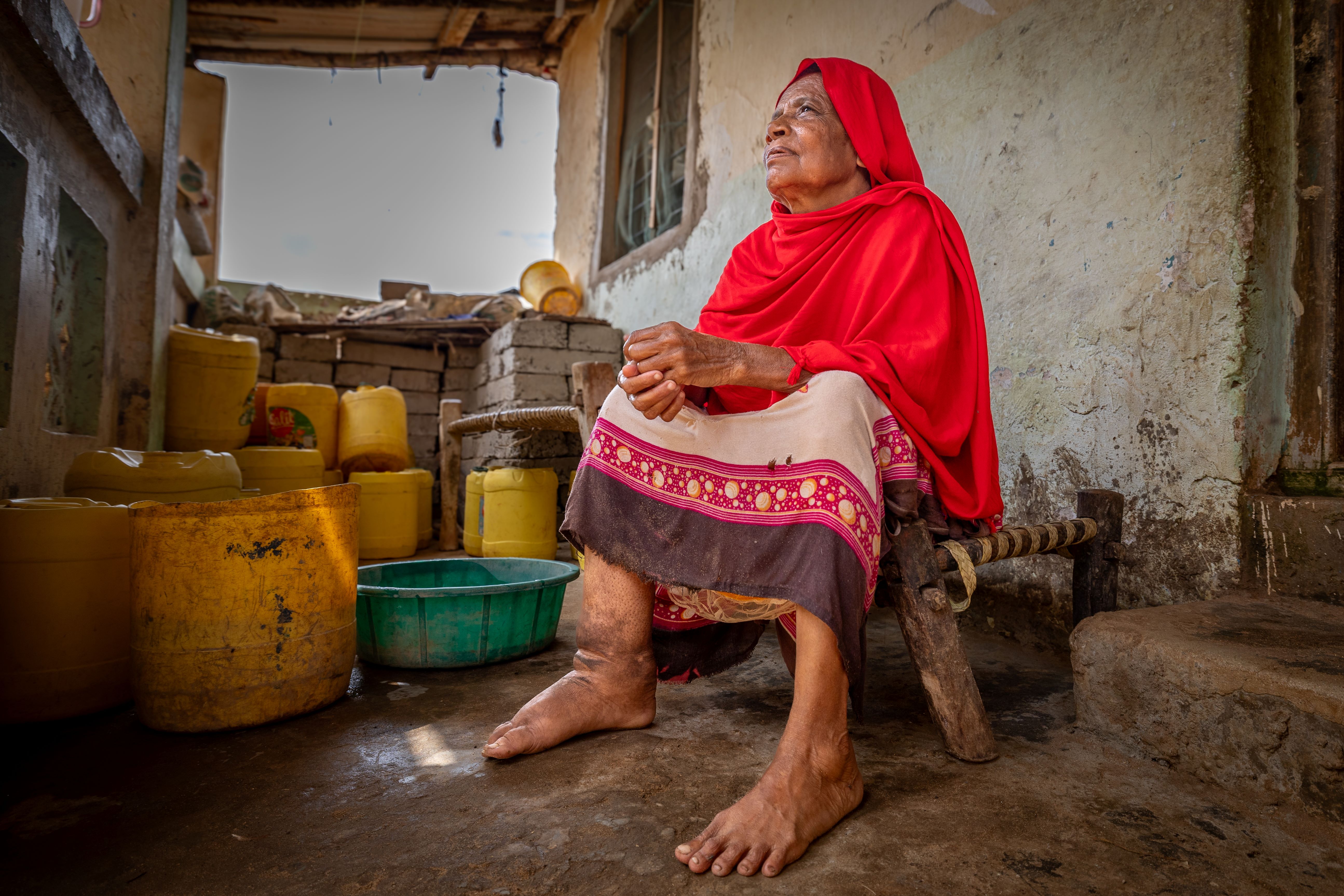
Shee lives with her sister, nieces and nephews, who help care for her. “I used to collect firewood, but now I can’t manage. The only work I can still do is small chores around the house,” she says.
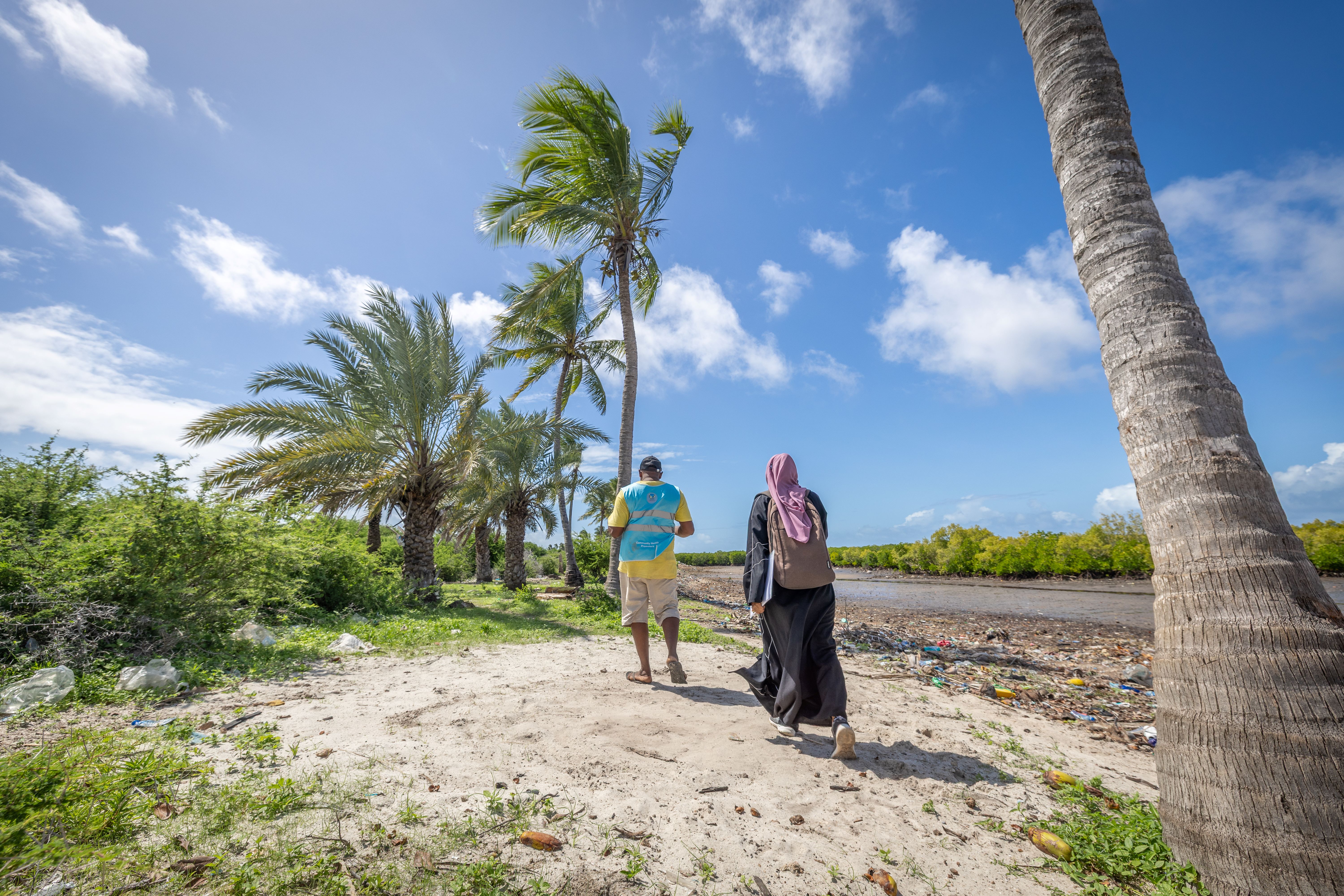
While early campaigns were irregular, Kenya has run yearly campaigns since 2015, introducing a targeted and effective triple-drug therapy in the coastal sub-counties of Jomvu, Lamu East and Lamu West in 2018 and 2019.
These efforts have effectively stopped transmission of lymphatic filariasis and no microfilariae (immature larvae of the parasitic worms) have been detected in the population at risk in two recent lymphatic filariasis transmission surveys. Because some children in specific villages tested positive to antigen tests in Ndau Island and in Jomvu sub-county in Mombasa, two more mass drug administration rounds targeting these villages are being conducted as a precautionary measure in 2025 and 2026.
“I’m really happy about the medicine being given out in Ndau. It gives me hope that the children won’t have to suffer like I have,” says Shee.
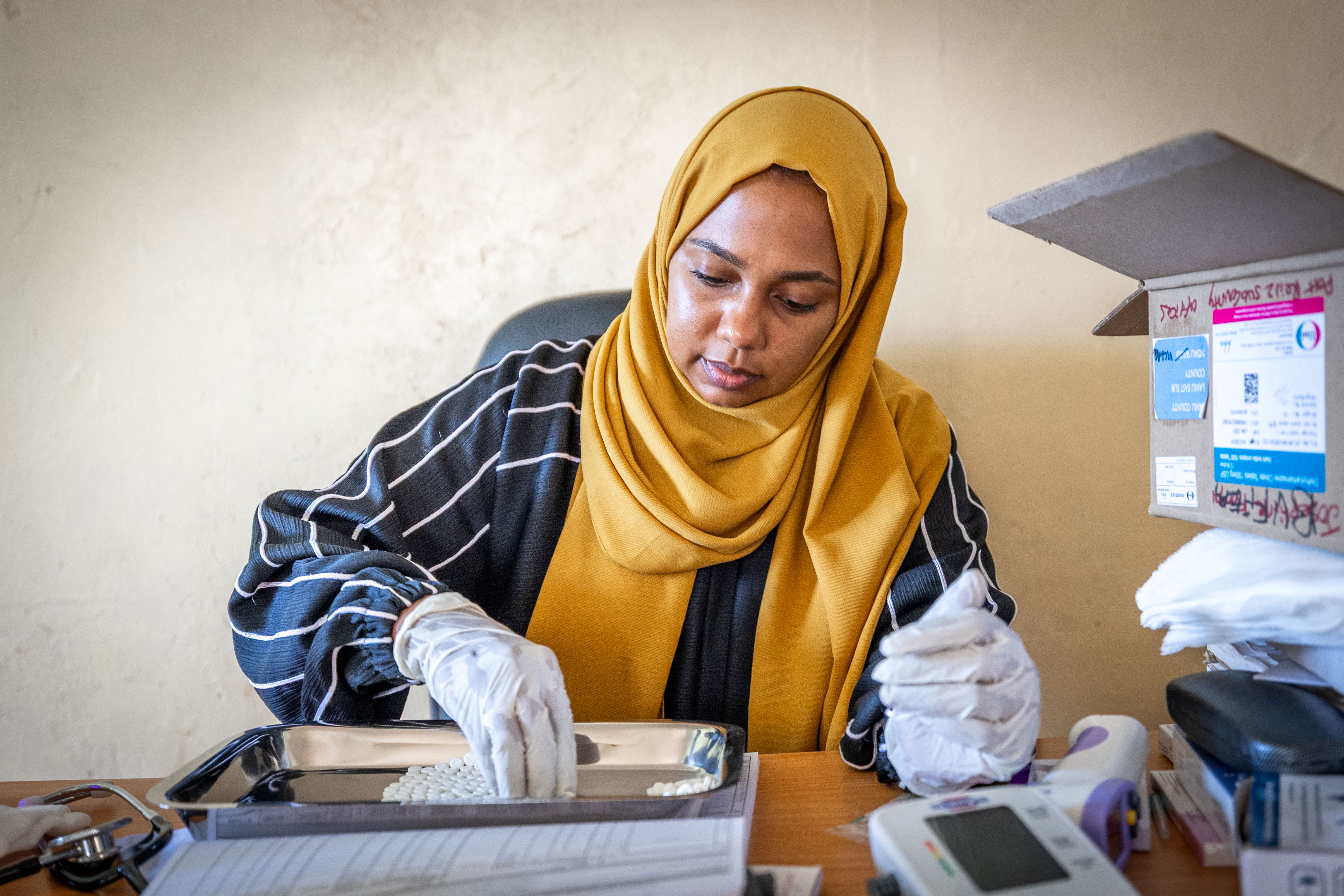
During mass drug administration, community drug distributors record administration, refusals and any identified cases of lymphoedema or hydrocele.
This data is compiled at village level, aggregated by supervisors and Health Records Information Officers and transmitted to a central database where it is analysed by age and sex to monitor coverage.
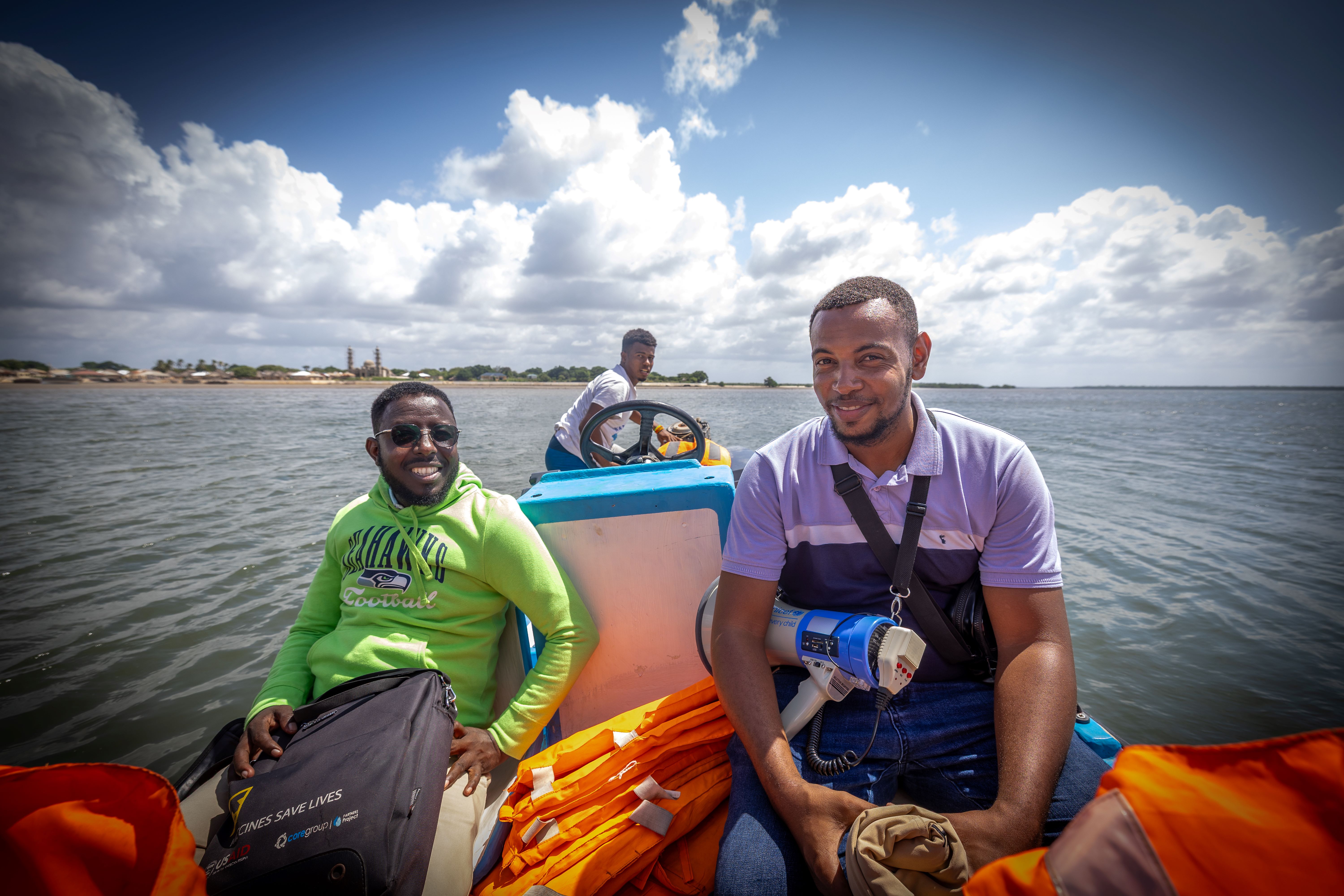
His work during mass drug administration is to coordinate data collection and participate in community education sessions on the purpose of the medicines and the risks of lymphatic filariasis.
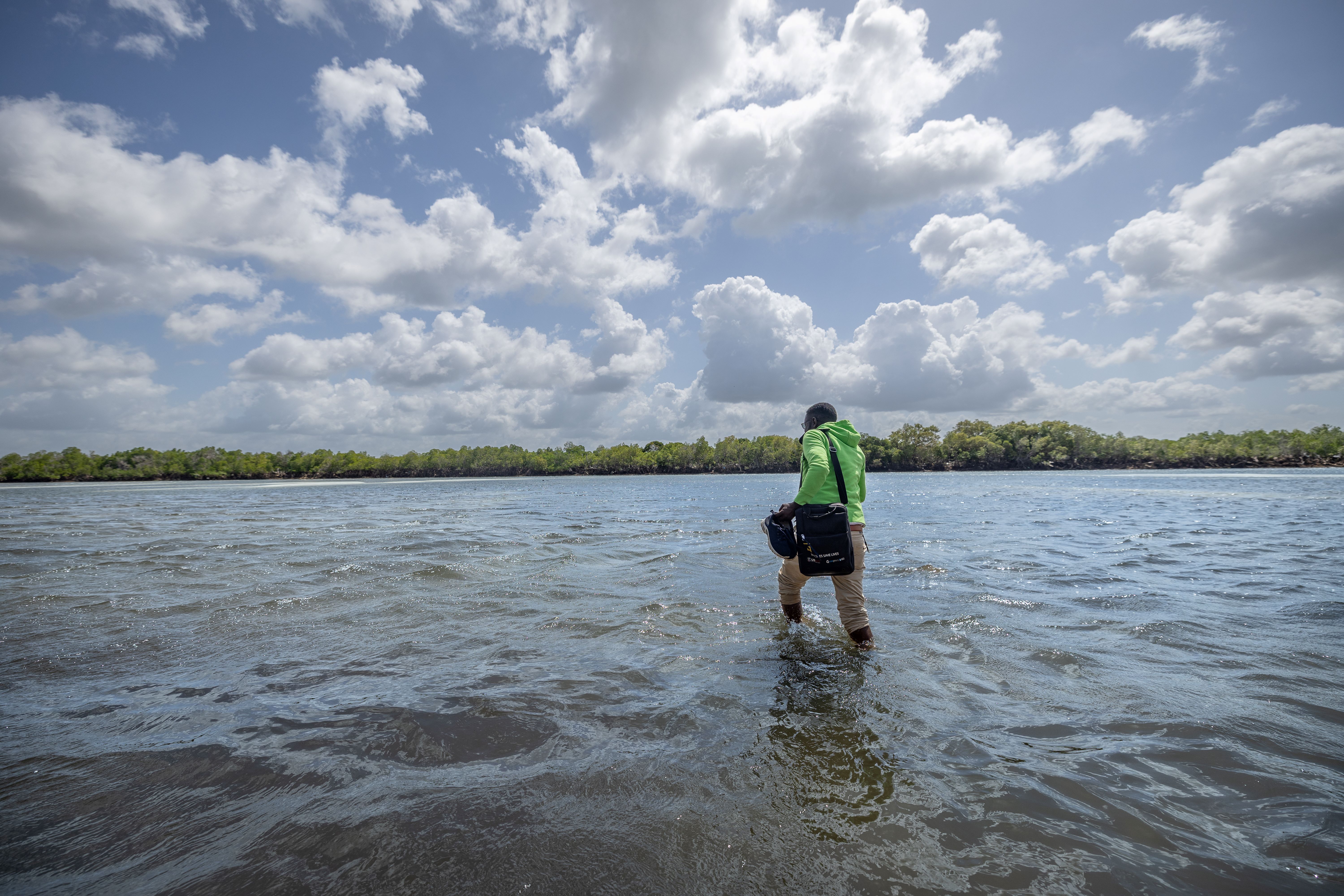
After a long day, the tide is low and the motorboat transporting Ismail cannot reach shore. So rather than wait hours for the tide to rise, he wades through the shallow water to reach home.
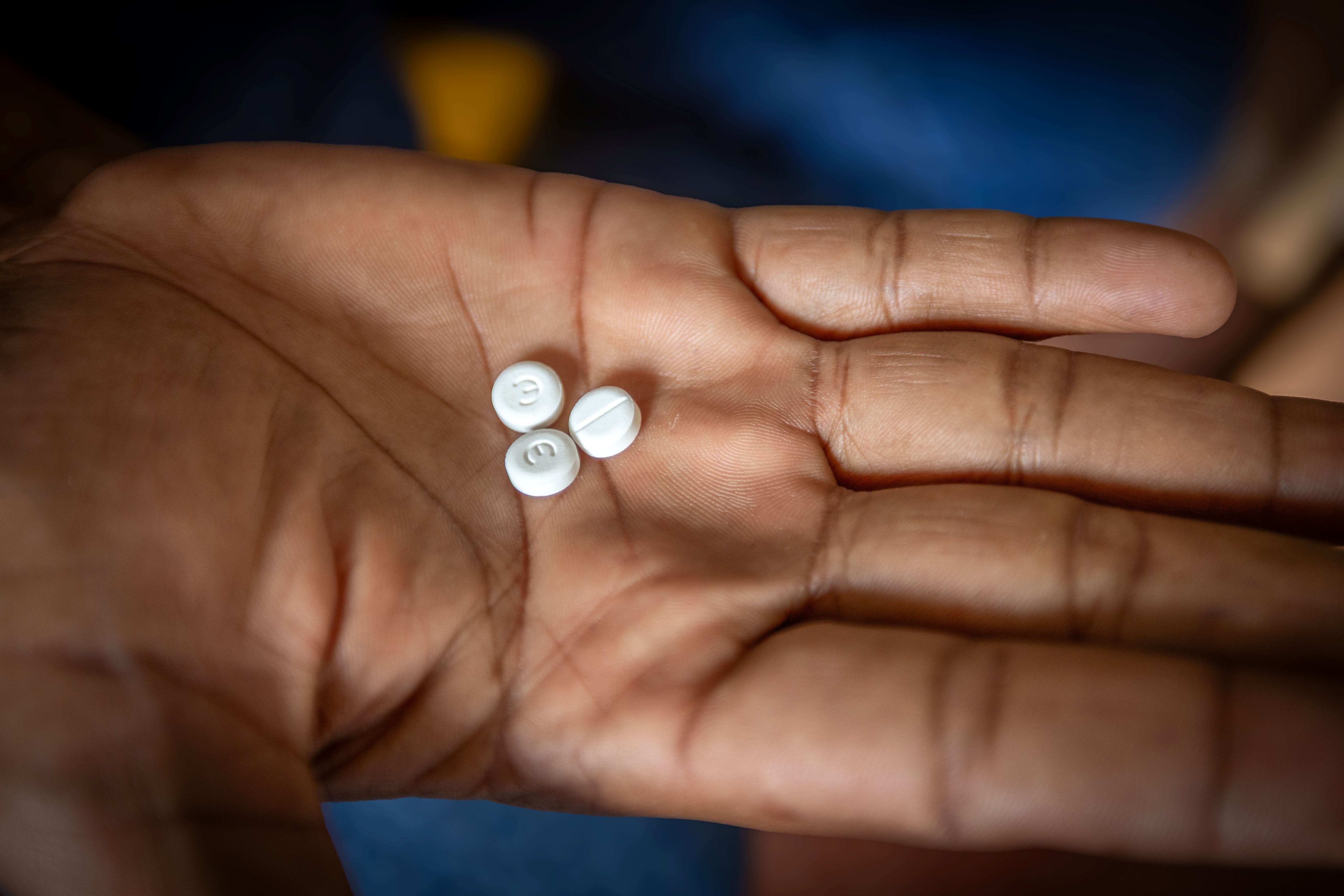
It has also reduced the size of Kenya’s population who require mass drug administration from 4 million to just under 12 000 people who need focused treatment in a few selected villages.
Surveys conducted in 2021 show that infection rates have dropped from 0.5% to 0.2% in Lamu county and halved to 0.7% in Jomvu sub-county, demonstrating that Kenya is on track to achieve elimination of lymphatic filariasis by 2027.
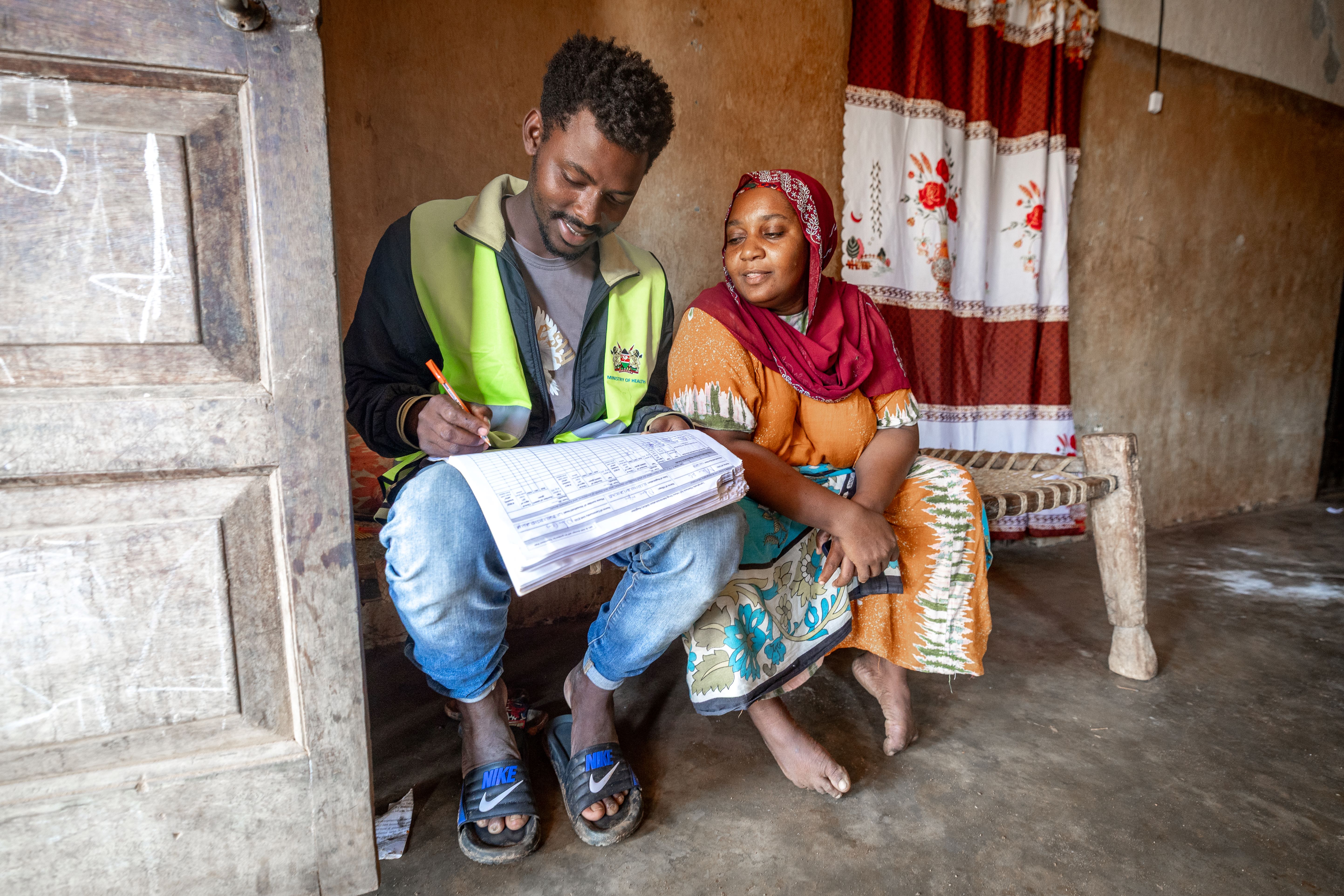
"I took the medicine to protect myself from getting this disease. It’s a good thing because these drugs are really helping us. They prevent the swelling, which we’ve seen affect many people here," she says.
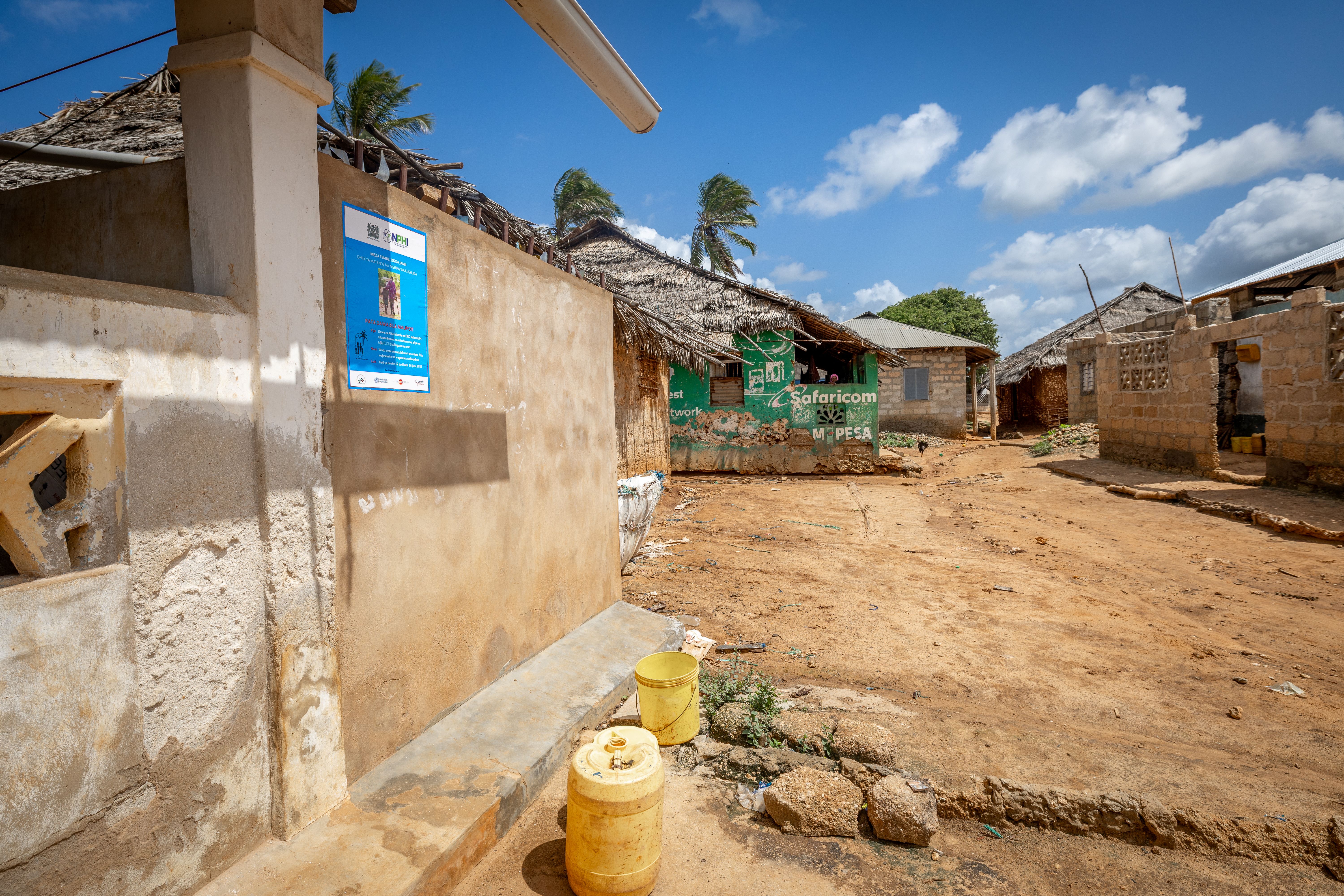
Tools like ESPEN Collect, a free mobile platform, help health teams gather and analyse data on neglected tropical diseases and improving decision-making at the programme level. WHO also provides targeted technical assistance to embed interventions in primary health care systems.
Kenya’s 2023–2027 National Master Plan for NTD Elimination, developed with WHO support, further aligns national action with the global roadmap.
“WHO is proud to stand alongside Kenya’s Ministry of Health in efforts to eliminate lymphatic filariasis and other neglected tropical diseases, ensuring communities are healthier and better protected for the future,” says Dr Adiele Onyeze, Acting WHO Representative in Kenya.
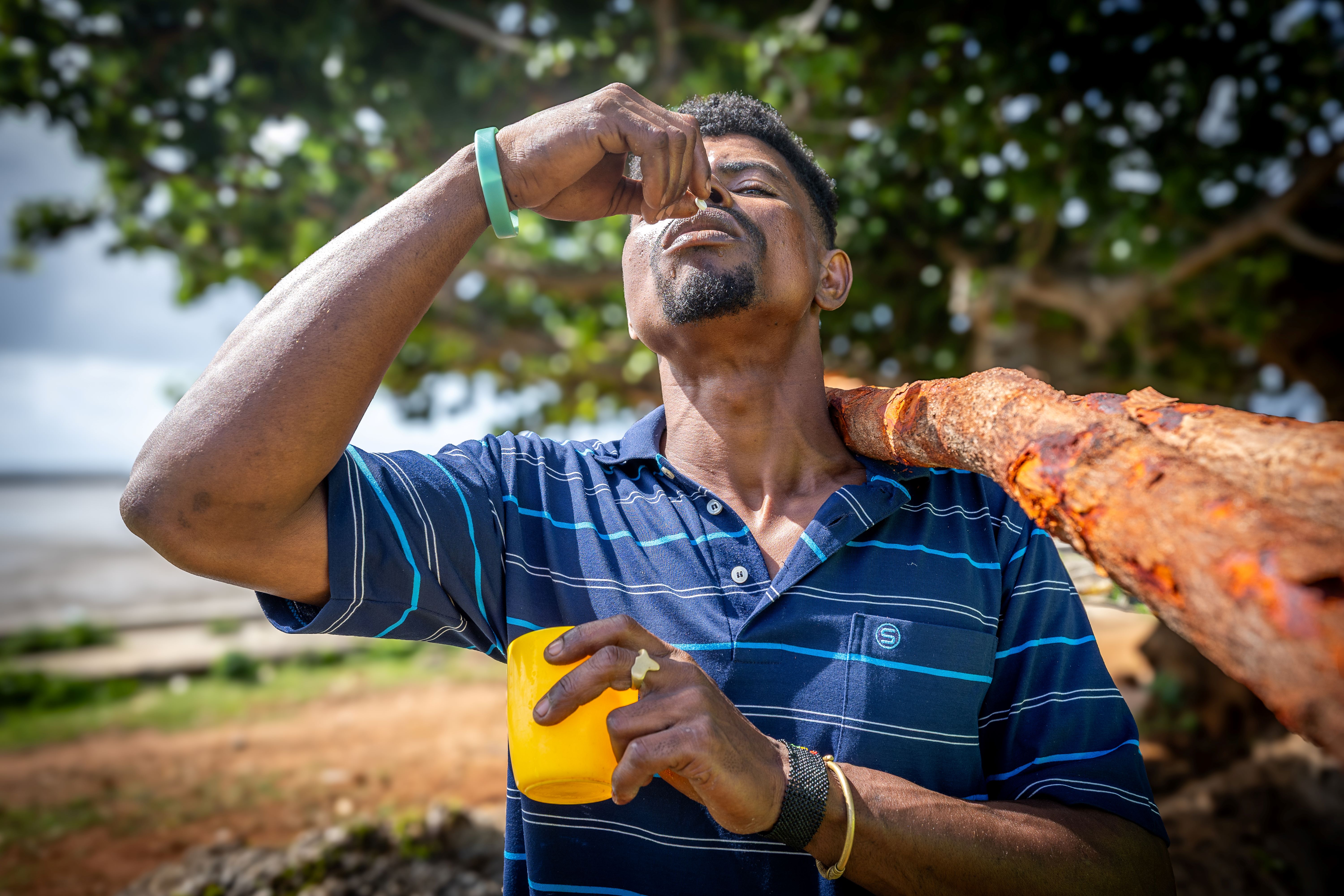
"When fewer people have these diseases, it helps the whole community. More people will be able to go fishing or harvest mangroves and support their families,” he says.
Communication officer
WHO Kenya
Tel: +254 740 466 426
Email: printg [at] who.int (printg[at]who[dot]int)
Communications and marketing officer
Tel: + 242 06 520 65 65 (WhatsApp)
Email: boakyeagyemangc [at] who.int (boakyeagyemangc[at]who[dot]int)