Ethiopia strengthens laboratory systems to improve disease outbreak preparedness and response

Ethiopia strengthens laboratory systems to improve disease outbreak preparedness and response

Addis Ababa—Humanitarian crises as well as the effects of climate change can increase the risk of infectious disease outbreaks, including diseases that spread from animals to humans, and complicate disease prevention, detection and response efforts.

In Ethiopia, where humanitarian crises have left around 22 million people needing urgent assistance, efforts are underway to reinforce the country’s ability to prevent, prepare for, and respond to outbreaks and protect populations.

The Ministry of Health, with support from the Pandemic Fund—a financing mechanism to strengthening pandemic prevention, preparedness and response in low- and middle-income countries—and World Health Organization (WHO) is rolling out a national multisectoral project to better integrate human and animal health response systems and enhance key aspects of outbreak preparedness and response, from timely detection to effective implementation.  

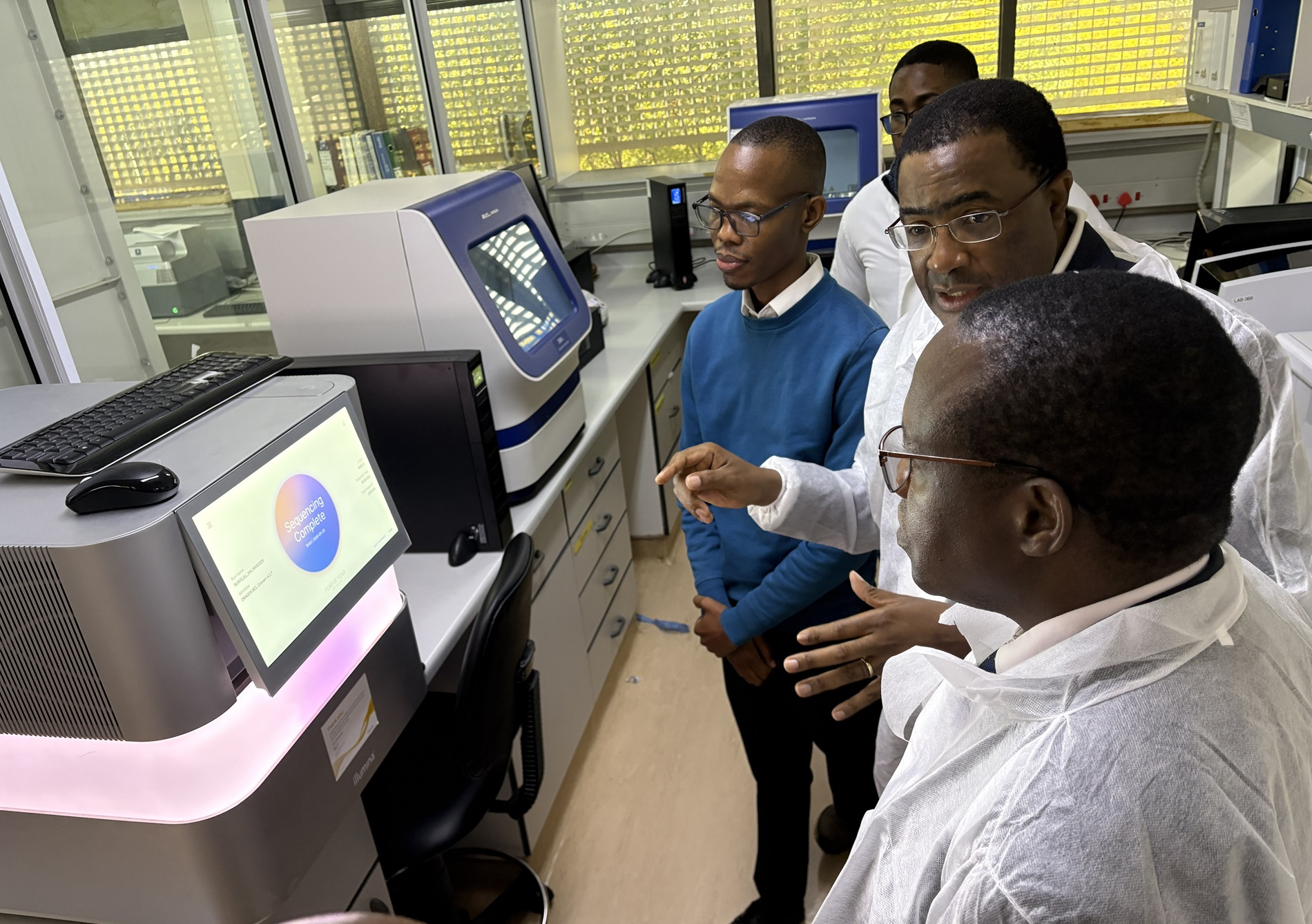
“The Pandemic Fund has three goals. One is to strengthen surveillance. The second is early outbreak investigation and response. The third is capacity building,” says Dr Jarso Debeno, Head of Microbiology at Yabelo Regional Veterinary Laboratory in southern Ethiopia. Strong laboratory systems are essential for timely detection. Between 2024 and 2025, The Pandemic Fund’s support to Ethiopia’s laboratory network improved the detection of priority infectious diseases, including mpox, cholera and Marburg virus disease, and strengthened laboratory quality systems. Laboratory information systems were upgraded, helping to create a more integrated system across human and animal health laboratories. The improved data flow led to a 90% reduction in reporting errors. Molecular testing capacity was also upgraded at eight priority microbiology laboratories.

To build the skills of the laboratory workforce, over 1470 laboratory professionals from the human and animal health sectors received training between 2024 and 2026, delivered by project partners Clinton Health Access Initiative and The Animal Health Institute. The training focused on improving diagnostics, genomics, bioinformatics, specimen management, biosafety and quality management systems. Training-of-trainers approaches were used so that learning could duplicated at sub-national levels with a sustainable and long-term approach. “In the past we used to send our samples from Ethiopia to other countries. This is to determine whether there is an outbreak,” says Mebratu Massebo, Chief of Staff at Ethiopia’s Ministry of Health. “But now we have started doing everything ourselves with our own resources.”

To support consistent good practices, health authorities developed nine guidelines with standard operating procedures and manuals and these are now in use in sub-national laboratories. More than 40 facilities also received targeted mentorship. Knowledge exchange visits to the United Kingdom, South Africa, Zambia and Kenya also allowed professionals to learn from other countries’ experiences. “There was poor adherence to professional safety when we went into the field in the past,” says Dr Guyo Wenchora, Director of the Yabelo laboratory. “But now, as skills and knowledge have improved, procedures are stronger, work is faster and the quality of work has improved.” The sample output of this laboratory has doubled since 2024.

The Ministry of Health has established or upgraded 27 laboratories since 2024. This includes eight new microbiology laboratories for sentinel surveillance, including Yabelo. Sentinel surveillance is a targeted approach to monitoring specific diseases or health events through selected reporting sites, known as sentinel sites. Fifteen public health facilities across 14 regions have been selected as antimicrobial resistance (AMR) sentinel sites, increasing the total number of AMR surveillance laboratories to 41 from 26 in 2023. In addition, four new animal health AMR sites were established and have started testing. “When there is a particular disease outbreak, we go there, we collect samples and we diagnose them immediately, run tests there and provide feedback to the community,” says Dr Guyo. “The contribution of this laboratory to provide rapid response and recommend vaccines and medicines needed to improve animal health is significant.”

To ensure these laboratories can function effectively, the project supported a capacity assessment for almost 220 laboratories in 2025. This was conducted alongside the procurement and distribution of essential equipment for more than 430 human health and 20 animal health laboratories. This includes diagnostic equipment, cold-chain systems and transport materials for national and regional laboratories. Around 35 solar-powered refrigerator/freezers have been deployed to veterinary clinics, along with 128 cold boxes distributed to priority districts. The project also continues to support equipment maintenance and covers specimen transportation costs for priority diseases.

A total of 267 health facilities in seven regions have procured vans that transport specimens to laboratories for testing, improving timely access to diagnostics and making services more equitable. These sites regularly collect and analyse samples from animals to identify health risks to both animals and humans. In 2025, almost 1000 specimens for priority diseases were transported for testing, including mpox, cholera, and Marburg virus disease. “We have been able to work together to protect the health of people, animals, and the environment,” says Dr Guyo.

Aside from co-chairing the Pandemic Fund Steering Committee, WHO plays other key roles in the project. This includes managing the budget and grant for government and delivery partners, leading the UN agencies that are implementing the project, and hosting the project management team at the WHO country office in Addis Ababa. “This project is critical in bringing partners together to advance health emergency preparedness and response in Ethiopia,” says Dr Francis Kasolo, WHO Representative in Ethiopia. “The country is leading with science and WHO is proud to support efforts to ensure that animal, human and environmental health is protected.”